
Table of Contents
ToggleThe Neuse River region offers beautiful scenery and water access, but it also creates a perfect storm for pest activity. Moisture, warmth, and the unique ecosystem along the river mean homeowners face year-round challenges from insects, rodents, and wood-destroying organisms. Whether you’re dealing with termites in your crawlspace or mosquitoes ruining your backyard barbecue, understanding regional pest patterns and effective control methods is essential. This guide walks through the most common pests in the area, why this region faces unique problems, and practical strategies, both DIY and professional, to keep your home protected.
Key Takeaways
- The Neuse River region’s high humidity, warm climate, and wetland ecosystems create year-round pest challenges, with termites, mosquitoes, carpenter ants, rodents, and cockroaches thriving in damp conditions that rarely freeze completely.
- Neuse pest control starts with exclusion and moisture management: seal gaps with caulk or expanding foam, install vapor barriers in crawlspaces, and keep humidity below 60% to eliminate the conditions pests depend on.
- Subterranean termites require licensed professional treatment in North Carolina, as DIY products are ineffective for established colonies; inspect crawlspaces twice yearly and watch for mud tubes on foundation walls.
- Seasonal prevention strategies are essential: spring demands gutter cleaning and termite inspections, summer requires screen repairs and mosquito source elimination, fall means sealing entry points for rodents, and winter involves checking for indoor nesting and activity.
- Call a licensed pest control professional for active termite infestations, recurring pest problems despite DIY efforts, venomous pests, large-scale outdoor infestations, and structural damage requiring coordinated pest treatment and repairs.
Understanding Common Pests in the Neuse River Region
The Neuse River watershed creates habitat for several pest species that thrive in humid, semi-aquatic environments. Recognizing what you’re up against is the first step toward effective control.
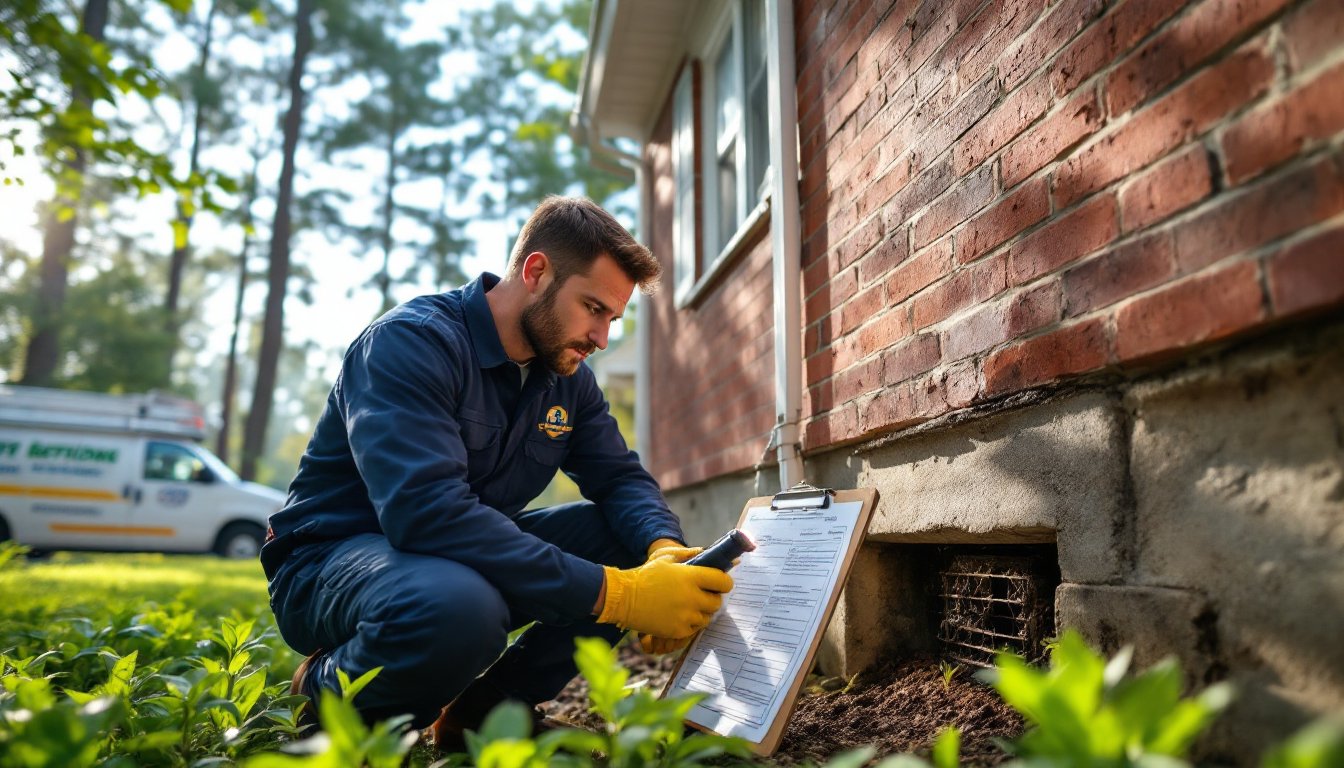
Termites top the list. Eastern subterranean termites (Reticulitermes flavipes) are endemic to North Carolina and cause millions in structural damage annually. They build mud tubes up foundation walls and feed on any wood in contact with soil or moisture. Inspecting crawlspaces, sill plates, and pier posts twice a year is non-negotiable if you want to catch infestations early.
Mosquitoes breed aggressively near standing water. The Neuse’s floodplains, combined with summer humidity, create ideal breeding grounds. Aedes albopictus (Asian tiger mosquito) and Culex pipiens are the main culprits, both of which can carry West Nile virus and other pathogens.
Carpenter ants (Camponotus species) hollow out damp or rotted wood to nest, they don’t eat it like termites, but the structural damage can be just as serious. Look for frass (sawdust-like debris) near window sills, eaves, or basement joists.
Rodents, especially Norway rats and house mice, seek shelter indoors during cooler months. They chew through wiring, insulation, and stored materials, and their droppings pose health risks. Any gap larger than ¼ inch is an invitation.
Cockroaches, both American and German varieties, thrive in warm, humid homes. They contaminate food, trigger allergies, and reproduce quickly. A single egg case can hatch 30-40 nymphs.
Why the Neuse Area Faces Unique Pest Challenges
Geography and climate make the Neuse River region a pest hotspot. The river’s watershed covers over 6,000 square miles, creating wetlands, marshes, and floodplains that never fully dry out. High water tables mean crawlspaces stay damp year-round, which attracts subterranean termites and carpenter ants.
Average humidity in the region hovers between 65-75% during spring and summer. Combined with temperatures that rarely dip below freezing for extended periods, pests don’t die off seasonally like they do in northern climates. Mosquitoes can breed into late October, and cockroaches remain active indoors all winter.
Flood events introduce additional problems. After heavy rains or hurricanes, displaced wildlife and insects move to higher ground, often straight into residential areas. Rodents fleeing flooded burrows will gnaw through soffit vents and fascia boards to access attics. Meanwhile, standing water in gutters, tarps, or yard debris becomes a mosquito nursery within 48 hours.
Older homes in the area often lack modern moisture barriers or pest-resistant construction details. Brick veneer over wood framing, dirt-floor crawlspaces, and un-screened foundation vents were standard practice decades ago. These features make it easier for pests to establish themselves before homeowners notice the damage. According to HomeAdvisor, addressing moisture control and structural repairs is often the first step in long-term pest management.
DIY Pest Control Methods for Neuse Homeowners
Many pest problems can be managed without calling a pro, if you catch them early and stay consistent. Here’s what works.
Exclusion is your first line of defense. Walk your home’s perimeter and seal any gaps with caulk (for cracks under ¼ inch) or expanding foam (for larger voids around pipes and wires). Replace damaged weatherstripping on doors and add door sweeps if there’s a gap at the threshold. Install ¼-inch hardware cloth over crawlspace vents and attic louvers to block rodents.
Moisture control eliminates the conditions pests need to survive. Run a dehumidifier in your crawlspace to keep relative humidity below 60%. Fix leaky gutters, downspouts, and HVAC condensate lines immediately, standing water is a mosquito magnet. If you have a dirt-floor crawlspace, consider installing a 6-mil polyethylene vapor barrier over the soil. This reduces ground moisture and makes the space far less hospitable to termites and carpenter ants.
Sanitation removes food sources and nesting material. Store pantry goods in airtight plastic or glass containers. Take trash out nightly and rinse recyclables before storing them. Clean up pet food after feeding and don’t leave water bowls out overnight. Outside, trim tree branches and shrubs at least 18 inches away from siding and rooflines, these act as highways for ants and rodents.
Natural and Chemical-Free Prevention Strategies
If you prefer non-toxic methods, several options can reduce pest pressure without introducing pesticides into your home.
Diatomaceous earth (DE) is a fine powder made from fossilized algae. It’s non-toxic to humans and pets but lethal to insects with exoskeletons. Dust it lightly around baseboards, in crawlspaces, and along door thresholds. Reapply after heavy rain or cleaning.
Essential oil sprays (peppermint, eucalyptus, and tea tree) can deter ants, spiders, and roaches. Mix 10-15 drops per cup of water in a spray bottle and apply to entry points. It’s not a knockout solution, but it helps as part of a layered approach. Professional services like those offering pest barrier products often combine these natural repellents with physical barriers for longer-lasting results.
Beneficial insects can help outdoors. Purple martin houses and bat boxes encourage natural mosquito predators. Ladybugs and lacewings feed on aphids and other garden pests, reducing the overall insect load near your home.
Traps work well for monitoring and small infestations. Snap traps and electronic traps are effective for mice. Sticky traps catch roaches and spiders. Place them along walls and in corners where you’ve seen activity. Check and reset them weekly.
When to Call Professional Pest Control Services
Some situations are beyond DIY fixes. Here’s when to pick up the phone.
Active termite infestations require licensed professionals. Treatment options include liquid termiticides (applied to soil around the foundation), bait stations, and fumigation for drywood termites. In North Carolina, termite treatments must be performed by a licensed operator. DIY products sold at big-box stores are not effective for established colonies. If you’re evaluating pest control options, resources from Angi can help compare local providers and read verified customer reviews.
Recurring infestations signal a bigger problem. If you’ve trapped a dozen mice or sprayed for roaches multiple times without success, there’s likely a structural issue or hidden entry point you haven’t found. Professionals use thermal imaging cameras and borescopes to inspect wall voids, attics, and crawlspaces that homeowners can’t easily access.
Venomous pests like black widow spiders, brown recluse spiders, or wasps nesting inside wall voids are not worth the risk. A professional has the proper personal protective equipment (PPE) and treatment chemicals to handle these safely.
Large-scale outdoor infestations (mosquito swarms, fire ant mounds, or yellow jacket nests) often require commercial-grade equipment. Backpack sprayers, fogging machines, and insect growth regulators (IGRs) deliver better results than retail aerosols. Many services providing seasonal pest control offer quarterly treatments that adjust tactics based on what’s active at different times of year.
Structural repairs that involve pesticide application need a pro. If carpenter ants have hollowed out a load-bearing header or subterranean termites have damaged floor joists, you’ll need both a pest control operator and a contractor. Coordinate the pest treatment first, then make repairs once the infestation is eliminated.
Safety note: Always verify that any pest control company you hire is licensed by the North Carolina Pesticide Board and insured. Request a written estimate and ask about the active ingredients in any products they plan to use. You have the right to know what’s being applied in and around your home.
Seasonal Pest Prevention Tips for Your Neuse Home
Pest pressure shifts with the calendar. Tailoring your prevention efforts to each season keeps you ahead of the curve.
Spring (March–May): Termites swarm during warm, humid days following rain. Inspect your foundation, especially near HVAC units and hose bibs where moisture accumulates. Clean gutters and extend downspouts at least 6 feet from the house. Mosquitoes start breeding, dump any standing water in flower pots, tarps, and toys weekly. Ants emerge and forage: wipe down counters with vinegar to disrupt scent trails.
Summer (June–August): Mosquito activity peaks. Install or repair window and door screens (16×18 mesh is standard). Consider a oscillating fan on porches and decks, mosquitoes are weak fliers and avoid breezy areas. Inspect attics for wasp nests near roof vents and soffit gaps. Cockroaches thrive in heat: keep kitchen drains clean and run the garbage disposal with ice cubes and citrus peels to scour buildup. For homeowners managing multiple pest threats simultaneously, options like Orkin pest control provide comprehensive multi-pest plans.
Fall (September–November): Rodents seek indoor shelter as temperatures drop. Walk your roofline and seal any gaps in fascia, soffit, or gable vents. Trim tree limbs away from the roof. Store firewood at least 20 feet from the house and elevate it on a rack, never stack it against siding. Spiders move indoors: vacuum webs and egg sacs from corners and behind furniture. According to Today’s Homeowner, fall is the best time to schedule annual pest inspections before winter.
Winter (December–February): Pests slow down but don’t disappear. Inspect crawlspaces for rodent droppings and damaged insulation. Check attic insulation for tunneling or nesting. If you have a fireplace, install a chimney cap with mesh screening to block squirrels and birds. Indoor plants can harbor fungus gnats and spider mites, isolate new plants for two weeks before bringing them into main living areas. Services like Hawx pest control often include winter rodent monitoring as part of year-round contracts.
Year-round: Keep a pest log. Note what you see, when, and where. Patterns help you identify weak spots in your defenses and time treatments more effectively. Review pest control advice periodically to stay current on new methods and product options.
Conclusion
Living near the Neuse River comes with pest challenges that won’t disappear on their own. Combining smart exclusion, moisture management, and vigilant sanitation gives homeowners a strong defense. DIY methods handle most problems if applied early and consistently, but don’t hesitate to call a licensed pro for termites, large infestations, or structural issues. Stay seasonal with your prevention tactics, and you’ll keep your home protected year-round.