
Table of Contents
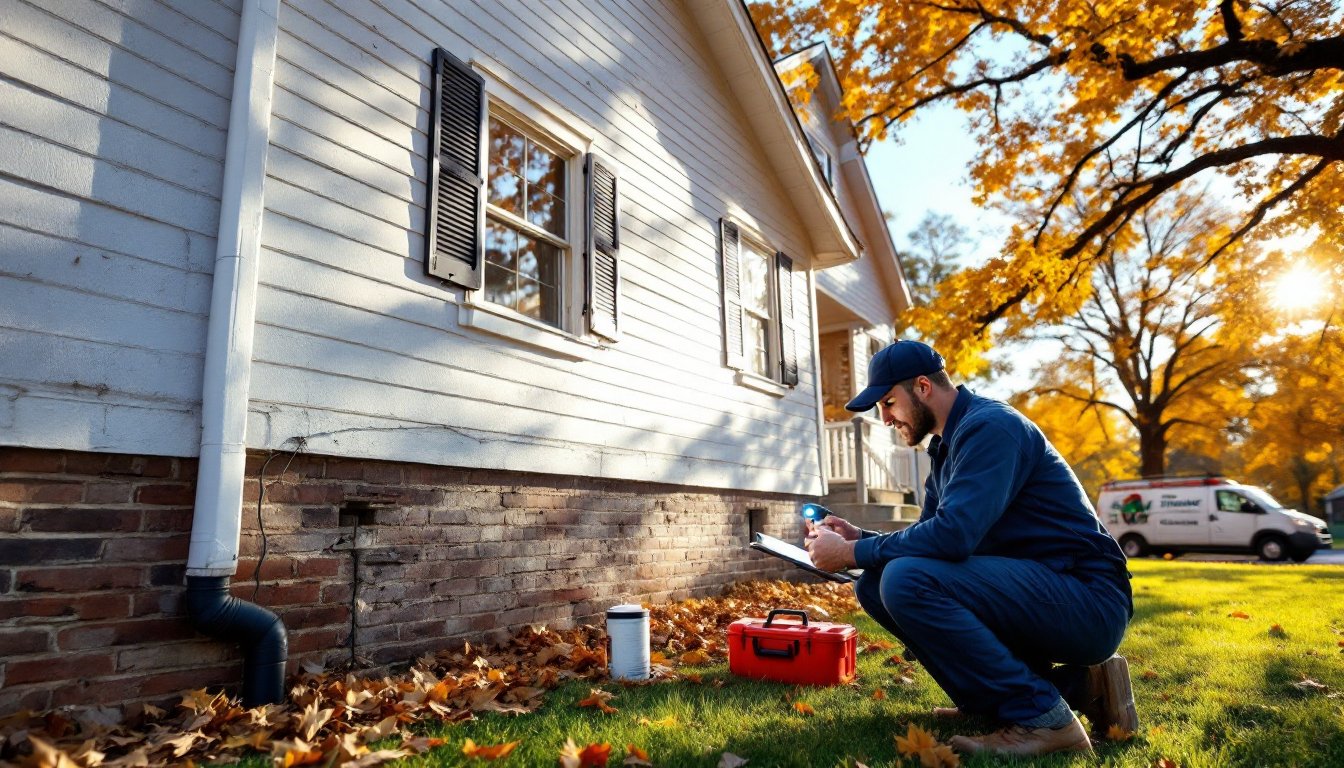
ToggleMichigan’s climate throws curveballs at homeowners year-round, harsh winters that drive rodents indoors, humid summers that attract mosquitoes and carpenter ants, and shoulder seasons when spiders and stink bugs look for warm corners. If you own a home in the Great Lakes State, you’re dealing with pest pressures that shift with every thaw and freeze. This guide walks through Michigan’s specific pest challenges, identifies the invaders most likely to show up in your basement or attic, and lays out practical prevention strategies you can tackle yourself, plus the times when calling in a licensed professional is the smarter move.
Key Takeaways
- Michigan’s harsh winters, humid summers, and dramatic seasonal swings create year-round pest challenges, from rodents seeking warmth indoors to mosquitoes breeding in standing water during warmer months.
- Michigan pest control priorities include sealing foundation cracks, securing window and attic vents with hardware cloth, and eliminating standing water before pests establish colonies.
- Fall is peak invasion season in Michigan—seal gaps around utilities with steel wool and caulk, install door sweeps, and store firewood 20 feet away to prevent carpenter ants and termites from entering.
- DIY prevention like exterior sealing, moisture control, and proper yard maintenance can prevent up to 70% of common pest intrusions without professional intervention.
- Carpenter ant infestations, termite colonies, bed bugs, and persistent rodent problems require licensed pest control professionals equipped with specialized equipment and state-registered pesticide applicators.
- When hiring Michigan pest control services, verify MDARD licensing, compare estimates from three companies, and choose providers offering Integrated Pest Management with follow-up monitoring rather than one-time spray treatments.
Understanding Michigan’s Unique Pest Challenges
Michigan’s geography and weather create a perfect storm for pest activity. The state sits at the intersection of cold continental air masses and Great Lakes humidity, producing dramatic seasonal swings. Winters regularly dip below 0°F, pushing rodents, cluster flies, and boxelder bugs into wall cavities and attics for warmth. Spring thaw brings standing water, prime breeding ground for mosquitoes, while summer humidity supports carpenter ant colonies and termite swarms.
The Great Lakes shoreline adds another layer. Homes near water face higher mosquito populations, especially in areas with poor drainage or wetland edges. Inland, agricultural zones attract field mice and voles that migrate toward structures as crops are harvested in fall.
Building stock matters, too. Michigan has a high proportion of older homes with unfinished basements, crawl spaces, and wood siding, all entry points or nesting sites for pests. Many homes built before the 1980s lack modern vapor barriers or foundation sealing, making them vulnerable to moisture intrusion and the insects and rodents that follow.
Common Pests in Michigan Homes
Rodents (mice and rats): House mice are the most common invaders, squeezing through gaps as small as ¼ inch. They nest in insulation, chew wiring (a fire risk), and leave droppings in cupboards. Norway rats prefer basements and crawl spaces. Both species breed year-round indoors.
Carpenter ants: These large black ants don’t eat wood, they excavate it to build nests. Look for frass (sawdust-like debris) near windowsills or baseboards. They’re drawn to moisture-damaged wood, so fixing leaks is critical.
Pavement ants: Smaller than carpenter ants, these brown insects nest under slabs and driveways, then trail indoors for food. They’re persistent but mostly a nuisance.
Spiders (common house spiders, wolf spiders, brown recluse): Most Michigan spiders are harmless. Wolf spiders hunt on the ground and don’t build webs. Brown recluse sightings are rare but do occur in southern Michigan. Always wear gloves when reaching into storage areas.
Boxelder bugs and Asian lady beetles: Both overwinter in wall voids and attics, then emerge indoors on warm winter days. They don’t cause structural damage but stain surfaces and release odor when disturbed.
Termites (eastern subterranean): Michigan’s native termites build colonies in soil and enter homes through cracks in concrete foundations or wood-to-ground contact. Infestations are more common in southern Michigan but can occur statewide.
Mosquitoes: Peak season runs May through September. Species like Aedes and Culex breed in standing water, gutters, birdbaths, tarps, and low spots in yards.
Stink bugs (brown marmorated): An invasive species that clusters on sunny exterior walls in fall, then infiltrates through gaps around windows and doors. They emit a pungent odor when crushed.
Homeowners should also watch for powder post beetles in hardwood flooring and clothes moths in wool storage areas, especially in older homes.
Seasonal Pest Control Strategies for Michigan
Spring (March–May): Inspect foundations as snow melts. Seal cracks in concrete with polyurethane caulk rated for exterior use. Clean gutters to eliminate mosquito breeding sites. Check for carpenter ant activity near windows and doors, they’re most visible during mating flights in late April and May. For comprehensive seasonal pest prevention tactics, focus on foundation-level exclusion work before summer heat arrives.
Summer (June–August): Replace torn window screens (18×16 mesh is standard for most insects: 20×20 mesh stops smaller pests). Trim tree branches within 6 feet of the roof, these act as highways for ants and rodents. Eliminate standing water weekly. If mosquitoes are severe, consider a permethrin-based yard spray for short-term knockdown, but avoid spraying near ponds or streams (toxic to aquatic life).
Fall (September–November): This is peak invasion season. Seal gaps around utility penetrations (pipes, cables, vents) with stainless steel wool stuffed into openings, then cover with caulk or expanding foam. Rodents can’t chew through steel wool. Install door sweeps on exterior doors, aim for ⅜-inch clearance or less. Check attic vents for torn screens. Store firewood at least 20 feet from the house and elevate it on a rack: stacked wood against siding invites termites and carpenter ants.
Winter (December–February): Monitor for rodent activity, droppings, gnaw marks, or rustling in walls. Set snap traps along baseboards in kitchens, basements, and garages. Bait with peanut butter or nesting material (cotton balls work well). Avoid glue traps: they’re inhumane and less effective. If you see boxelder bugs or lady beetles indoors, vacuum them up, don’t crush them. Empty the vacuum outside immediately.
DIY Pest Prevention Tips for Michigan Homeowners
Exterior sealing: Walk the perimeter of your home with a tube of caulk and a can of expanding foam. Seal cracks in siding, gaps around window frames, and openings where utilities enter. For larger gaps (½ inch or more), stuff with copper mesh or steel wool before foaming. Don’t foam over rodent holes without confirming they’re empty, trapped animals will chew new exits.
Foundation and basement: Repair cracks in concrete with hydraulic cement or epoxy injection (for active leaks). Ensure your sump pump discharges at least 10 feet from the foundation. Install a dehumidifier if basement humidity exceeds 50%, carpenter ants and silverfish thrive in damp conditions. Homeowners exploring do-it-yourself methods should prioritize moisture control before chemical treatments.
Attic and crawl space: Check for gaps around soffit vents and gable vents. Install ¼-inch hardware cloth over vent openings if screening is missing or damaged. Inspect insulation for nesting material or tunneling, signs of rodents. If you’re adding or replacing insulation, consider borate-treated cellulose, which deters insects.
Kitchen and pantry: Store dry goods (flour, cereal, pet food) in airtight plastic or glass containers. Wipe down counters nightly and fix leaky faucets immediately. Clean behind appliances quarterly, crumbs and grease attract ants and roaches. Don’t leave pet food out overnight.
Yard maintenance: Keep grass cut short (under 3 inches) within 10 feet of the foundation. Mulch beds should be no deeper than 3 inches and pulled back at least 6 inches from siding, thick mulch retains moisture and shelters termites. Remove leaf litter and debris from window wells.
Safe, effective products: For ant trails, use diatomaceous earth (food-grade) along baseboards, it’s a desiccant that damages insect exoskeletons. Wear a dust mask during application: it’s non-toxic but irritates lungs. For outdoor perimeter treatment, bifenthrin granules provide 3-month residual control against crawling insects. Follow label rates carefully: more is not better and can harm beneficial insects.
According to trusted home maintenance resources, annual exterior inspections prevent 70% of common pest intrusions.
When to Call a Professional Pest Control Service
Some situations require licensed expertise. Carpenter ant infestations that involve structural galleries need professional-grade non-repellent insecticides (like fipronil or imidacloprid) injected into wall voids, not a DIY job. Termite treatment almost always requires a pro: options include liquid termiticides applied to soil around the foundation or bait station systems monitored quarterly. Both methods need specialized equipment and pesticide applicator licenses.
Bed bugs are notoriously difficult to eliminate without professional heat treatment or targeted pesticide application. If you see live bugs, dark fecal spots on mattress seams, or bite patterns on skin, don’t wait, infestations spread quickly between rooms.
Rodent problems that persist even though trapping efforts may indicate multiple entry points or a large colony. Professionals use tracking powder and infrared cameras to locate hidden nests. If you hear scratching in walls or ceilings nightly, or find gnawed wiring, call immediately, rodents cause an estimated 25% of house fires from electrical damage.
Wasp and hornet nests near entrances or high-traffic areas are safety hazards. Professionals have protective gear and knockdown sprays with 20-foot reach. Don’t attempt removal yourself if anyone in the household has a sting allergy.
Michigan doesn’t require permits for pest control work, but structural treatments (drilling into slabs, injecting walls) must be performed by state-licensed applicators. For resource listings, pest control specialists across Michigan cities are available through regional directories.
Choosing the Right Pest Control Company in Michigan
Start by verifying Michigan Department of Agriculture and Rural Development (MDARD) licensing. Every commercial applicator must carry a state license and carry liability insurance. Ask for both before work begins.
Get written estimates from at least three companies. Pricing varies widely, expect $100–$300 for a one-time interior treatment, $300–$600 for perimeter and crawl space work, and $1,200–$3,000 for termite treatment depending on home size and infestation severity. Be wary of lowball bids: they often indicate substandard products or rushed work.
Ask about treatment methods and products. Reputable companies explain which pesticides they’ll use, where they’ll apply them, and what re-entry intervals you’ll need to follow (the time before people and pets can safely return to treated areas). If a company won’t disclose product names or insists on “proprietary blends,” walk away.
Look for Integrated Pest Management (IPM) approaches. Good companies don’t just spray, they identify conducive conditions, recommend exclusion work, and offer follow-up monitoring. A quality inspection includes checking crawl spaces, attics, and exterior perimeter, not just a walk-through with a clipboard.
Check customer reviews carefully. Look beyond star ratings, read detailed reviews about communication, punctuality, and results. Many established companies like Orkin offer proven track records in Michigan’s variable climate. As noted by home safety experts, consistent service contracts often yield better long-term results than emergency-only treatments.
Ask about guarantees and retreatment policies. Most reputable companies offer 30- to 90-day warranties on interior treatments and will return at no charge if pests reappear during that window. Termite treatments typically include annual inspections as part of a multi-year contract.
Conclusion
Michigan’s pest challenges don’t take a season off, but neither should homeowners’ prevention efforts. Most infestations start with small gaps, standing water, or moisture problems, issues that are fixable with basic tools and a weekend afternoon. Tackle exclusion work in fall, monitor high-risk areas quarterly, and know when a problem has outgrown the DIY toolbox. Your home’s envelope is your first line of defense: keep it tight, dry, and maintained, and you’ll spend a lot less time battling unwelcome guests.