
Table of Contents
ToggleWaterfront properties offer stunning views and coastal breezes, but they also attract pests that landlocked homes rarely encounter. Moisture, decaying organic matter, and marine-adjacent structures create perfect breeding grounds for rodents, insects, and wildlife. Harbor environments demand specialized pest management strategies that go beyond typical suburban approaches. Whether someone owns a dock, marina building, or bayside home, understanding the unique challenges of harbor pest control is essential to maintaining both structure integrity and health standards. This guide covers the specific pests that thrive near water, effective DIY prevention methods, and when professional intervention becomes necessary.
Key Takeaways
- Harbor pest control requires specialized strategies because waterfront properties face year-round pest activity due to moderate temperatures, abundant food sources, and structural vulnerabilities that inland homes don’t encounter.
- Norway rats (wharf rats), roof rats, raccoons, mosquitoes, and termites are the most common pests in harbor environments, with rodents capable of squeezing through openings as small as ½ inch and causing significant structural damage.
- Effective DIY harbor pest control combines exclusion (sealing openings with copper mesh and galvanized metal collars), sanitation (removing food sources and standing water), and bait stations placed every 15–30 feet along building perimeters.
- Standing water breeding grounds can be reduced by up to 70% through proper container management and by using BTI dunks, a biological larvicide that kills mosquito larvae without harming fish, pets, or beneficial insects.
- Professional pest control services become necessary for active termite infestations, breeding rodent populations exceeding two per week, or recurring infestations despite consistent DIY efforts, particularly for commercial harbor properties requiring health department compliance.
Why Harbor Areas Face Unique Pest Challenges
Harbor locations present a convergence of factors that make them magnets for pest activity. High moisture levels from constant exposure to sea spray, tidal changes, and humid air create ideal conditions for mold, which attracts moisture-loving insects. Wooden pilings, docks, and structures absorb water and begin to decay, providing both food and shelter for termites, carpenter ants, and wood-boring beetles.
Temperature moderation near water means pests don’t face the extreme cold that kills off populations inland. Rodents and insects remain active longer through fall and winter, breeding continuously instead of going dormant. Coastal climates essentially extend pest season year-round.
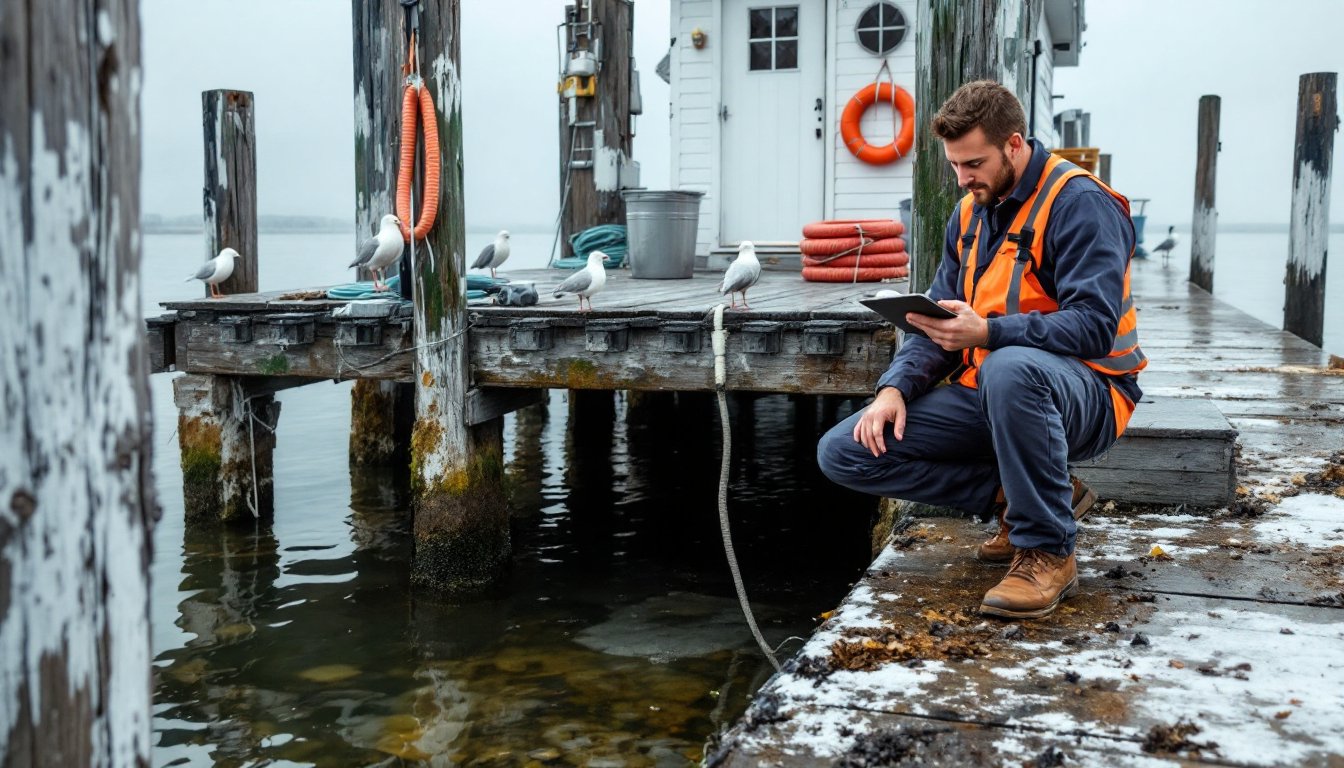
Abundant food sources come from multiple directions. Trash from boating activities, fish remnants, bird droppings, and algae buildup all provide sustenance. Marinas and harbors also attract seagulls and other scavenger birds, whose nests harbor parasites and whose droppings corrode structures while spreading disease.
Marine traffic compounds the problem. Boats unknowingly transport pests between locations, rats board vessels in one port and disembark in another. Cargo containers stacked near harbor facilities can harbor roaches, spiders, and rodents from international origins.
Building codes in coastal zones often require structures elevated on pilings or posts, creating dark, damp crawl spaces underneath, perfect harborage for Norway rats, feral cats, and raccoons. These spaces are difficult to access for inspection and treatment, allowing infestations to establish undetected.
Common Pests Found in Harbor and Waterfront Environments
Rodents and Wildlife
Norway rats (also called wharf rats or brown rats) are the dominant rodent species in harbor areas. They’re strong swimmers, capable of traveling between piers and boats, and they burrow into soil or beneath wooden structures. Adult Norway rats weigh 7-18 ounces and can squeeze through openings as small as ½ inch. They gnaw through electrical wiring, insulation, and even soft metals, creating fire hazards and structural damage.
Roof rats (black rats) prefer elevated areas like attics, upper decks, and stacked cargo. They’re more agile climbers than Norway rats but less tolerant of cold. In warmer harbor climates, roof rat populations explode.
Raccoons are common near docks and marinas, attracted by fish scraps and unsecured garbage. They’re strong enough to pry open poorly latched bins and can carry rabies, leptospirosis, and roundworm parasites. A single raccoon latrine (communal defecation site) can contain millions of infectious roundworm eggs.
Feral cats establish colonies around harbor structures, hunting rodents but also attracting fleas and ticks. While they provide some rodent control, their waste and territorial behavior create sanitation issues.
Insects and Flying Pests
Mosquitoes breed in standing water, tide pools, overturned boats, tarps, and clogged gutters all serve as nurseries. Harbor areas with inadequate drainage become hotspots for species that carry West Nile virus and other pathogens. According to Good Housekeeping, proper container management reduces mosquito breeding sites by up to 70%.
Flies (house flies, blow flies, and drain flies) thrive wherever organic waste accumulates. Fish processing areas, bait shops, and restaurant dumpsters near harbors become breeding grounds. A single female house fly can lay up to 500 eggs in her lifetime, with larvae maturing to adults in as little as seven days during warm weather.
Cockroaches, especially the American cockroach and Oriental cockroach, flourish in damp harbor environments. They hide in sewer systems, storm drains, and bilges, emerging at night to forage. Both species are vectors for bacteria including Salmonella and E. coli.
Termites pose serious threats to wooden docks, pilings, and structures. Subterranean termites build mud tubes from soil to wood, while dampwood termites infest water-damaged lumber directly. Coastal properties should inspect all wood-to-ground contact points annually.
Spiders like the black widow and brown recluse seek dark, undisturbed areas, stacked equipment, storage sheds, and beneath docks. While they help control insect populations, their bites require medical attention.
Effective DIY Pest Control Methods for Harbor Properties
Exclusion is the first line of defense. Walk the property perimeter and seal all openings larger than ¼ inch using copper mesh (steel wool rusts in salt air), expanding foam rated for exterior use, or hydraulic cement. Pay special attention to where utilities enter buildings, gaps beneath doors, and damaged foundation vents. Install 16-mesh stainless steel screening over vents and chimney caps, galvanized steel corrodes quickly in marine environments.
For dock and pier structures, wrap pilings with 24-gauge galvanized sheet metal collars at least 18 inches wide, positioned 12 inches above the high-tide line. This prevents rats from climbing onto elevated structures. Secure the metal with stainless steel screws and ensure no gaps exist where the collar meets the piling.
Sanitation removes the food sources that sustain pest populations. Rinse down fish cleaning stations immediately after use. Store all garbage in metal containers with tight-fitting lids, plastic bins get gnawed through. Keep dumpster lids closed and schedule frequent pickups during warm months when decomposition accelerates. Remove bird droppings weekly using a scraper and disinfectant solution: wear an N95 respirator to avoid inhaling dried fecal dust containing histoplasmosis spores.
Eliminate standing water wherever possible. Drill ¼-inch drainage holes in the bottoms of containers that can’t be removed. Clean gutters monthly, clogged downspouts create pooled water that attracts mosquitoes. For unavoidable water features, use Bacillus thuringiensis israelensis (BTI) dunks, a biological larvicide that kills mosquito larvae without harming fish, pets, or beneficial insects. One dunk treats approximately 100 square feet of water surface for 30 days.
Bait stations provide controlled rodent management. Use tamper-resistant stations like the Protecta LP or Aegis RP, secured with lag bolts to prevent tampering or displacement during storms. Place stations every 15-30 feet along building perimeters and dock edges, loaded with bromadiolone or diphacinone blocks (second-generation anticoagulants). Check stations weekly and wear nitrile gloves when handling bait or dead rodents. Note that many coastal jurisdictions restrict certain rodenticides due to secondary poisoning risks for raptors and marine mammals, verify local regulations before deploying bait.
For insects, apply residual insecticide sprays containing bifenthrin or permethrin to foundation walls, beneath decks, and around door thresholds. These products remain effective for 30-90 days depending on weather exposure. Always read labels carefully: some formulations aren’t approved for use near waterways due to toxicity to aquatic organisms.
Carry out seasonal pest control strategies, adjusting tactics as weather and pest pressure change throughout the year. Spring requires aggressive mosquito larvae control before populations explode, while fall demands rodent exclusion before they seek winter shelter indoors.
Traps offer non-toxic alternatives. Snap traps baited with peanut butter or dried fruit work well for rodents: place them perpendicular to walls with the trigger end facing the baseboard. For comprehensive DIY pest control, combine multiple tactics rather than relying on a single method.
When to Call Professional Pest Control Services
Some situations exceed DIY capabilities and require licensed professionals. Active termite infestations demand specialized treatment, either liquid termiticides applied to soil (creating a barrier around foundations) or bait station systems monitored quarterly. Termite treatments for harbor structures often run $1,500-$4,000 depending on property size and infestation severity, though costs vary significantly by region and treatment method. According to HomeAdvisor, annual termite damage in the U.S. exceeds $5 billion, making professional inspection worthwhile.
Rodent infestations involving more than two rodents per week in traps suggest a breeding population that requires professional-grade tools. Pest control technicians use tracking powders, infrared cameras to locate nests, and exclusion materials that withstand gnawing better than consumer products. They also identify and eliminate outdoor burrow systems, something most property owners lack the equipment to address.
Wildlife removal, especially raccoons, skunks, or opossums living under structures, often requires permits and specialized traps. Many states prohibit relocating wildlife due to disease transmission risks, meaning professionals must follow specific protocols for humane euthanasia and disposal. Attempting to trap wildlife without proper licensing can result in fines.
If someone notices recurring infestations even though consistent DIY efforts, the root cause likely involves structural issues or harborage areas that aren’t obvious. Professional pest control services conduct thorough inspections with borescopes and moisture meters, identifying problems like plumbing leaks inside walls, subfloor rot, or ventilation failures.
Commercial properties, marinas, or multi-unit harbor buildings require documentation for health department compliance and liability protection. Licensed pest control operators provide service records, Material Safety Data Sheets (MSDS), and treatment maps that satisfy regulatory requirements and insurance policies.
For those in specialized environments, working with companies experienced in coastal challenges makes a difference. While many pest control services offer general residential treatments, harbor properties benefit from technicians familiar with marine-specific issues like piping corrosion from salt air, tide-dependent access restrictions, and environmentally sensitive treatment zones near waterways.
Conclusion
Harbor pest control requires year-round vigilance and strategies tailored to waterfront conditions. Moisture management, structural exclusion, and consistent sanitation form the foundation of effective prevention. DIY methods handle most routine challenges, but structural infestations and wildlife issues often demand professional expertise. By understanding the unique pest pressures of marine environments and implementing appropriate controls, property owners can protect both investment value and health standards in harbor locations.