
Table of Contents
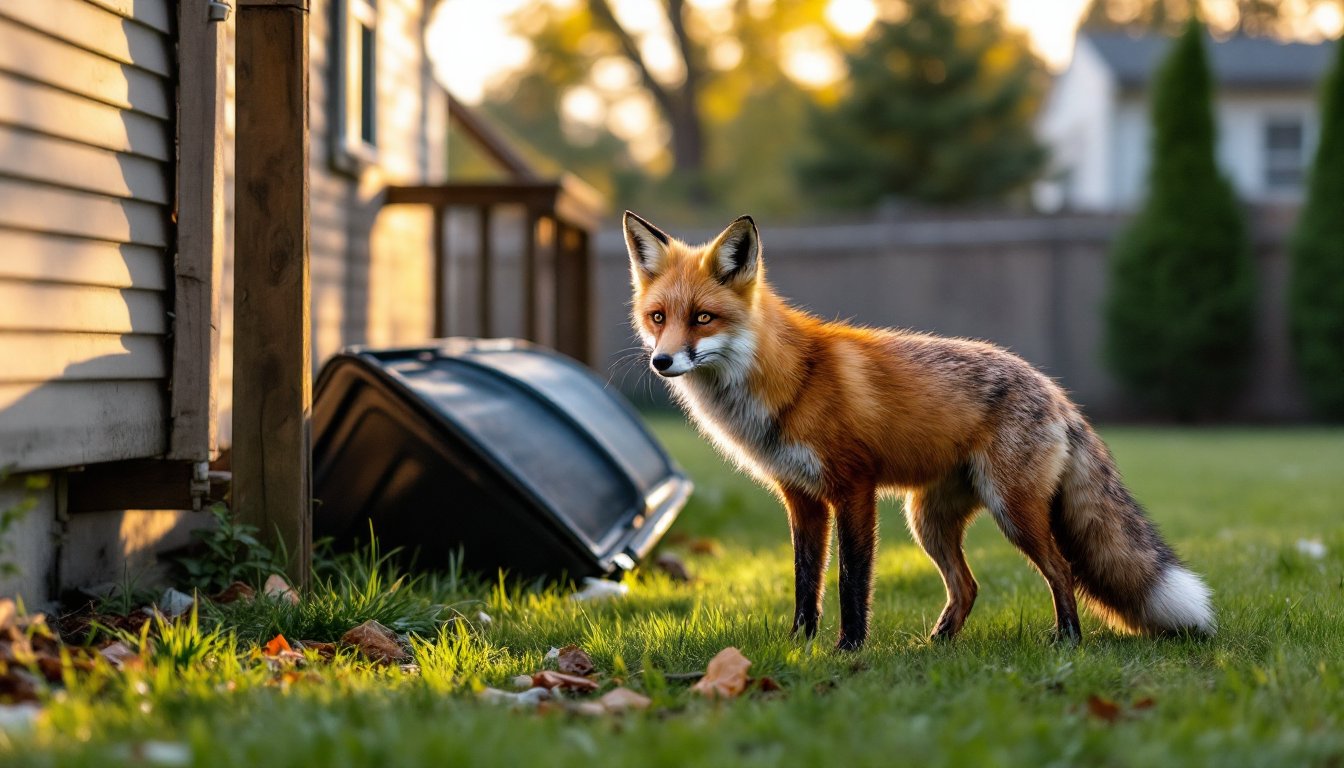
ToggleFoxes on Long Island aren’t a new sight, but they’re becoming more than just occasional wildlife sightings. Suburban sprawl and changing ecosystems have pushed these adaptable predators into closer contact with homes, garages, and yards. They dig under sheds, raid chicken coops, and leave droppings that pose health risks. If you’ve spotted a fox prowling your property or found disturbed garbage at dawn, you’re not alone, and ignoring the problem won’t make it go away. This guide covers why fox activity is surging, how to recognize the signs, practical deterrent methods you can carry out yourself, and when it’s time to call in professional help.
Key Takeaways
- Fox pest control on Long Island requires understanding why populations are surging: habitat loss, accessible food sources, and mild winters create ideal conditions for red foxes to thrive in suburban areas.
- Identify fox activity early by looking for elongated paw prints (2–2.5 inches), dark scat marked with fur and feathers, burrows under structures, and nocturnal screaming or barking sounds.
- Effective DIY fox pest control starts with eliminating attractants (securing garbage, removing pet food, clearing fallen fruit), installing 6-foot fencing with buried aprons, and blocking den sites with hardware cloth.
- Physical barriers and habitat modification—such as trimming dense shrubs, adding motion-activated lighting, and maintaining open perimeters—are more reliable long-term solutions than commercial repellents alone.
- Contact licensed wildlife control professionals if foxes den during breeding season (February–May), show aggressive or fearless behavior, or persist despite exclusion efforts; expect to pay $200–$600 for inspection and humane exclusion.
- New York law prohibits trapping, relocating, or killing foxes without permits; focus on legal exclusion and deterrence methods, avoid poison baits, and verify local ordinances before taking action.
Why Fox Problems Are Increasing on Long Island
Long Island’s fox population has grown steadily over the past decade, driven by habitat loss and the expansion of suburban development. Red foxes, the most common species in the region, thrive in edge habitats, areas where woodland meets open space. As forests shrink and neighborhoods expand, foxes have adapted to human environments with surprising efficiency.
Food availability plays a major role. Unsecured garbage, pet food left outdoors, bird feeders, and backyard chickens create easy meals. Foxes are opportunistic omnivores, and they’ll take advantage of anything accessible. Unlike coyotes, which can pose direct threats to pets, foxes are generally shy but bold enough to exploit vulnerable food sources.
Mild winters also contribute to population stability. Fewer harsh weather events mean higher kit (baby fox) survival rates. Combined with limited natural predators in suburban areas, fox numbers remain steady or increase year over year. Understanding these patterns helps homeowners anticipate and address fox activity before it becomes a persistent nuisance.
Signs of Fox Activity Around Your Property
Recognizing fox presence early makes mitigation easier. Start with tracks: fox prints resemble small dog tracks but are more elongated, typically 2 to 2.5 inches long, with four toe pads and claw marks. They often follow a straight line, unlike the wandering gait of domestic dogs.
Droppings are another telltale sign. Fox scat is tubular, dark, and often contains fur, feathers, or berry seeds. It’s usually deposited in prominent locations, on rocks, stumps, or along pathways, as a territorial marker. The musky odor is distinct and can linger near dens or frequently traveled routes.
Burrows and dens appear under sheds, decks, or porches. Foxes prefer sheltered, low-traffic areas for denning, especially during breeding season (late winter to early spring). Look for disturbed soil, dug-out entry holes roughly 8 to 12 inches in diameter, and a worn path leading to the entrance.
Nighttime noises include high-pitched screams, barks, and howls, particularly during mating season. Foxes are mostly nocturnal but can be active at dawn and dusk. If you hear these sounds repeatedly or spot foxes during daylight hours without immediate retreat, you’ve got regular visitors. Keeping a record of sightings helps determine if you’re dealing with a transient fox or an established resident.
DIY Fox Deterrent Methods That Actually Work
Securing Your Property Against Foxes
Physical barriers are the most reliable long-term solution. Fencing should be at least 6 feet tall with an additional 12-inch apron buried underground and bent outward at a 90-degree angle to prevent digging. Use heavy-gauge welded wire or chain link, chicken wire alone won’t hold up. For chicken coops or gardens, cover the top with netting or hardware cloth (1/2-inch mesh) to block climbing or jumping attempts.
Secure all potential den sites. Attach lattice skirting or hardware cloth around the base of sheds, decks, and porches, burying it 12 to 18 inches deep. Foxes will abandon dens if access is blocked, but timing matters, never seal an entry during breeding season (February through May) without confirming the den is empty. You can check by loosely filling the hole with soil or leaves and monitoring for disturbance over 24 to 48 hours.
Eliminate food sources. Store garbage in metal bins with locking lids, bring pet food indoors after feeding, and clean up fallen fruit or birdseed daily. If you keep chickens, use a predator-proof coop with a solid floor or buried wire mesh. Many professional pest control strategies emphasize eliminating attractants as the foundation of wildlife management.
Natural Repellents and Habitat Modification
Commercial fox repellents containing capsaicin, predator urine (coyote or wolf), or ammonia-soaked rags can deter foxes temporarily. Apply repellents around den entrances, garden perimeters, and known travel routes. Reapply after rain or every 7 to 10 days. Effectiveness varies, foxes can habituate to scents over time, so rotate products.
Motion-activated devices add another layer. Sprinklers startle foxes without harm and work well in gardens or near entry points. Ultrasonic deterrents have mixed results: some homeowners report success, others see no change. If you try these, pair them with other methods rather than relying on them alone.
Habitat modification reduces appeal. Trim dense shrubs and low-hanging branches where foxes might hide or den. Remove brush piles, woodpiles, and yard debris. Maintain a clear perimeter of at least 3 to 4 feet around structures to reduce cover. Foxes avoid open, well-lit areas, so consider adding motion-activated lighting near vulnerable spots.
Do not attempt to trap or relocate foxes yourself. It’s illegal in New York without proper permits, and relocated animals often don’t survive. Trapping also creates vacant territory that other foxes will fill. Focus on exclusion and deterrence, if the property isn’t hospitable, foxes will move on. For more DIY pest management techniques, homeowners can apply similar exclusion principles to other common nuisances.
When to Call Professional Pest Control Services
Some situations demand professional intervention. If a fox has denned under your home during breeding season and you hear kits, contact a licensed wildlife control operator. Removing a mother and young requires specialized knowledge to avoid orphaning kits or causing injury. Professionals use one-way exclusion doors that allow adults to exit but not re-enter, ensuring kits follow once mobile.
Aggressive or fearless behavior is a red flag. Foxes that approach humans, don’t retreat when confronted, or show signs of illness (stumbling, disorientation, excessive drooling) may carry rabies or distemper. Do not attempt to handle or corner the animal. Contact your local health department and a wildlife control service immediately. Rabies is rare in foxes compared to raccoons or bats, but it’s a serious risk.
Persistent problems even though DIY efforts also warrant professional help. If foxes return repeatedly after you’ve secured food sources and installed barriers, a pro can assess structural vulnerabilities you might have missed. They have access to tools and techniques not available to homeowners, including live trapping and relocation when legally permitted. Reviews on platforms like Angie’s List can help identify reputable local operators with fox control experience.
Expect to pay $200 to $600 for an initial inspection and exclusion work, depending on property size and problem severity. Costs vary by region and scope, HomeAdvisor offers estimates based on your ZIP code. Choose operators licensed by the New York Department of Environmental Conservation (DEC) and ask for proof of insurance. Avoid anyone offering poison baits or lethal traps as a first option: ethical professionals prioritize humane exclusion. When evaluating professional pest control options, look for services that emphasize integrated pest management and long-term prevention.
Legal Considerations for Fox Control in New York
New York classifies red foxes as furbearers, and their control is regulated by the DEC. Homeowners can take steps to exclude or deter foxes without a permit, but trapping, relocating, or killing foxes requires a nuisance wildlife control permit or the services of a licensed operator. Even if a fox is damaging your property, you cannot trap it yourself unless you hold the appropriate license.
Discharging firearms within most Long Island municipalities is prohibited due to population density. Never attempt to shoot a fox unless you’re in a rural area where it’s legal and safe, and you’ve confirmed local ordinances. Violating firearms laws or wildlife regulations can result in fines up to $500 or more.
If you’re dealing with a fox den on your property, exclusion is legal year-round except during the breeding season (typically February through May). Sealing a den with kits inside is considered inhumane and may violate animal cruelty statutes. Wait until kits are mobile and have left the den, or hire a professional to perform a humane exclusion.
Poison baits are illegal for fox control in New York. They pose risks to non-target wildlife, pets, and children, and their use can lead to criminal charges. Stick to non-lethal deterrents and exclusion methods, if the situation escalates beyond your control, consult a licensed wildlife control operator who understands state and local regulations. Homeowners seeking broader pest control guidance should verify that any service provider complies with regional wildlife laws.
For questions about specific regulations or to report a sick or aggressive fox, contact the DEC Bureau of Wildlife or your local health department. Staying informed protects both you and the wildlife sharing your neighborhood.