
Table of Contents
ToggleSpotting a cockroach scurrying across your kitchen floor at midnight isn’t just unsettling, it’s a sign you’re likely dealing with dozens more hiding in the walls. These resilient pests multiply fast, contaminate food, trigger allergies, and resist most DIY remedies. While traps and spray cans might kill a few stragglers, eliminating an established infestation requires more firepower. Professional cockroach pest control services bring expertise, commercial-grade products, and targeted treatment plans that actually work. This guide walks homeowners through what to expect, how to pick the right exterminator, what it costs, and how to keep roaches from staging a comeback after treatment.
Key Takeaways
- Professional cockroach pest control services use Integrated Pest Management (IPM) strategies to disrupt the entire lifecycle, targeting hidden egg cases and specific species rather than just visible roaches.
- Expect a thorough inspection to identify roach species and infestation severity, followed by targeted treatments like gel baits, residual sprays, dusts, and insect growth regulators applied across multiple visits.
- The cost of cockroach extermination averages $250 nationally, ranging from $100 to $600 depending on infestation severity, home size, and species—always get quotes from at least three companies and verify state licensing.
- Reputable pest control service providers include follow-up visits and warranties guaranteeing free re-treatments if roaches return within 30 to 90 days, protecting your investment.
- Prevention after professional treatment requires eliminating moisture, sealing entry points, reducing clutter, maintaining sanitation, and scheduling quarterly inspections to catch problems before infestations restart.
Why Professional Cockroach Control Is Worth the Investment
Cockroaches aren’t just gross, they’re tenacious survivors that spread bacteria, trigger asthma, and reproduce at alarming rates. A single German cockroach female can produce up to 400 offspring in a year. DIY sprays might kill visible roaches, but they rarely touch the egg cases (oothecae) tucked behind baseboards or inside wall voids.
Professional exterminators use Integrated Pest Management (IPM) strategies that combine inspection, baiting, residual insecticides, and growth regulators to disrupt the entire lifecycle. They know where roaches hide, behind refrigerators, under sinks, in electrical outlets, and inside hollow door frames. They also identify the species, which matters: German cockroaches require different tactics than American or Oriental roaches.
Another key benefit: safety. Commercial pest control service providers apply EPA-registered products in precise doses, minimizing risk to kids, pets, and the environment. They wear PPE, follow label instructions, and know how to treat sensitive areas like kitchens without contaminating food prep surfaces.
Finally, pros offer warranties. Most reputable pest control providers guarantee their work and return for free re-treatments if roaches reappear within a set window, typically 30 to 90 days.
What to Expect from Cockroach Pest Control Services
Initial Inspection and Identification
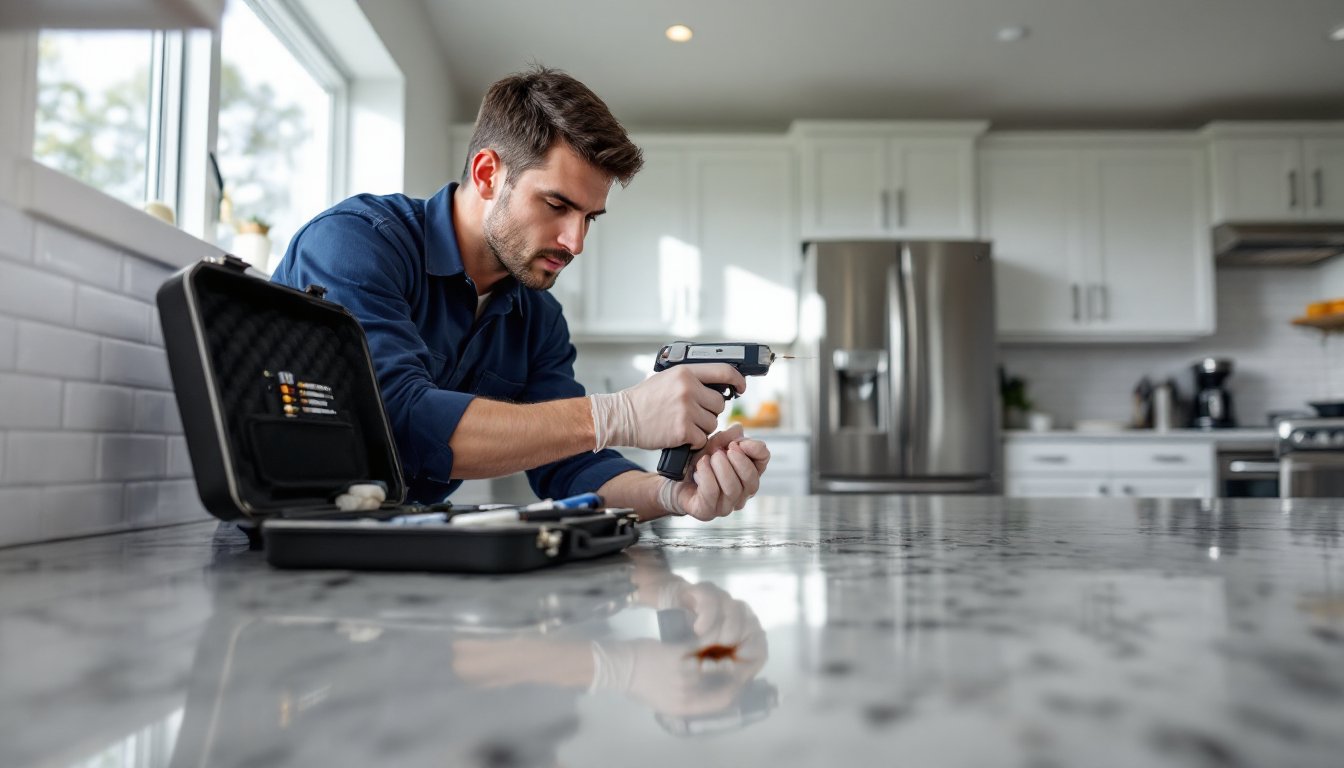
A thorough inspection is the foundation of effective treatment. The technician will survey all areas roaches frequent: kitchens, bathrooms, laundry rooms, basements, and utility closets. They’ll check behind appliances, inside cabinets, around plumbing penetrations, and along baseboards.
Using a flashlight and sometimes a flushing agent (a mild irritant that forces roaches out of cracks), they’ll assess infestation severity and identify the species. German cockroach pest control near me searches often spike because these small, tan roaches infest apartments and commercial kitchens more aggressively than larger species. Correct ID determines bait formulation, application sites, and follow-up timing.
The tech will also note conducive conditions, leaky pipes, cluttered storage, gaps around doors, and recommend repairs. This isn’t upselling: moisture and harborage are why roaches thrive. According to experts at Bob Vila, sealing entry points and fixing leaks can cut re-infestation risk by more than half.
Treatment Methods and Techniques
Modern cockroach control relies on multiple tactics, not a single silver bullet:
Gel baits: Applied in pea-sized dots in cracks, crevices, and behind appliances. Roaches eat the bait, return to harborage, and spread toxins through feces and cannibalism. Baits containing fipronil or indoxacarb are highly effective against German roaches.
Residual sprays: Liquid insecticides applied along baseboards, under sinks, and in wall voids. These create a barrier that kills roaches on contact and provides weeks of protection.
Dusts: Insecticidal dusts (boric acid, diatomaceous earth, or synthetic pyrethroids) blown into wall voids, attic spaces, and electrical conduit. Dusts last months or years in dry areas and kill roaches that contact treated surfaces.
Insect growth regulators (IGRs): These chemicals disrupt molting and reproduction, preventing nymphs from reaching adulthood. They’re often mixed with baits or sprays for long-term suppression.
Monitoring stations: Sticky traps placed in key areas help the tech track activity between visits and confirm the infestation is declining.
Corporate pest control teams serving multi-unit buildings or commercial properties often use fogging or space treatments in vacant units, but these are rarely needed in single-family homes. Most residential jobs wrap up in one to three visits spaced two to four weeks apart.
How to Choose the Right Cockroach Exterminator
Not all pest control companies are created equal. Start by verifying state licensing and insurance. Every state requires pest control technicians to pass exams and carry liability coverage. Ask for the company’s license number and confirm it’s current with your state’s pesticide regulatory office.
Check online reviews, but read between the lines. A few complaints are normal: look for patterns. Consistent mentions of missed appointments, high-pressure sales, or unresolved infestations are red flags. Platforms like Angi and HomeAdvisor aggregate contractor reviews and verify credentials.
Ask about treatment methods during the estimate. A good exterminator explains their approach, identifies the roach species, and tailors the plan to your home. Beware of one-size-fits-all quotes or companies that push tent fumigation for a German cockroach problem, fumigation is overkill and won’t prevent re-infestation.
Inquire about warranties and follow-up visits. Reputable firms include at least one follow-up in the base price and offer free re-treatments if roaches return. Get the warranty terms in writing.
Finally, compare estimates from at least three companies. The lowest bid isn’t always the best value. If one quote is drastically cheaper, the company may skimp on product quality, skip follow-ups, or lack experience. Commercial pest control service providers with strong track records charge more upfront but often deliver better long-term results.
Cost of Professional Cockroach Pest Control Services
Pricing varies by infestation severity, home size, and region. According to industry data, homeowners typically pay $100 to $600 for cockroach extermination, with a national average around $250 for an initial treatment. Light infestations in small apartments might run $100 to $150, while severe infestations in larger homes can hit $600 or more.
Most companies charge for the initial visit (inspection plus first treatment) and include one or two follow-ups. Additional visits cost $50 to $150 each. Monthly or quarterly maintenance plans run $40 to $70 per visit and cover multiple pests, not just roaches.
Several factors push costs higher:
- Infestation severity: Heavy infestations require more bait, more spray, and more labor.
- Home size: Treating a 3,000-square-foot house costs more than a 1,200-square-foot apartment.
- Access challenges: Crawl spaces, finished basements, and multi-story homes take longer to treat.
- Species: German roaches are harder to eliminate than American roaches, sometimes requiring extra visits.
Some services include seasonal pest control packages that bundle roach treatment with other common pests like ants and spiders. These plans cost $300 to $600 annually but can be cost-effective if you face multiple pest pressures.
Be wary of companies quoting without an inspection. Legitimate pros need to see the problem before pricing it accurately.
Preventing Future Cockroach Infestations After Treatment
Professional treatment kills existing roaches, but prevention keeps them from coming back. Start with sanitation. Roaches need food, water, and shelter. Wipe down counters nightly, sweep floors, and store food in airtight containers. Don’t leave pet food out overnight. Empty trash daily and use cans with tight lids.
Eliminate moisture. Fix leaky faucets, repair dripping pipes, and use exhaust fans in bathrooms and kitchens. Roaches can survive weeks without food but only days without water. Even condensation on pipes can sustain a colony.
Seal entry points. Caulk gaps around baseboards, pipes, and electrical outlets. Install door sweeps on exterior doors and weatherstripping around windows. Roaches squeeze through cracks as thin as a dime.
Reduce clutter. Cardboard boxes, stacks of newspapers, and piles of clothes provide perfect harborage. Store items in plastic bins and keep storage areas organized.
Consider do-it-yourself pest control maintenance between professional visits. Boric acid powder applied lightly in cabinets and behind appliances (wear gloves and a dust mask) provides long-lasting protection. Sticky traps under sinks and along baseboards help you catch stragglers and monitor for new activity.
In multi-unit buildings, coordinate with neighbors. Roaches migrate through shared walls, so treating one apartment while the next-door unit remains infested is a losing battle. Talk to your landlord about building-wide treatment if you’re in an apartment.
Finally, maintain a relationship with your exterminator. Quarterly inspections catch problems early, before a few roaches turn into a full-blown infestation. Many trusted pest control providers offer discounted maintenance plans for existing customers.
Prevention isn’t glamorous, but it’s cheaper and less stressful than battling repeat infestations. Think of it like changing the oil in your car, routine maintenance beats major repairs every time.