
Table of Contents
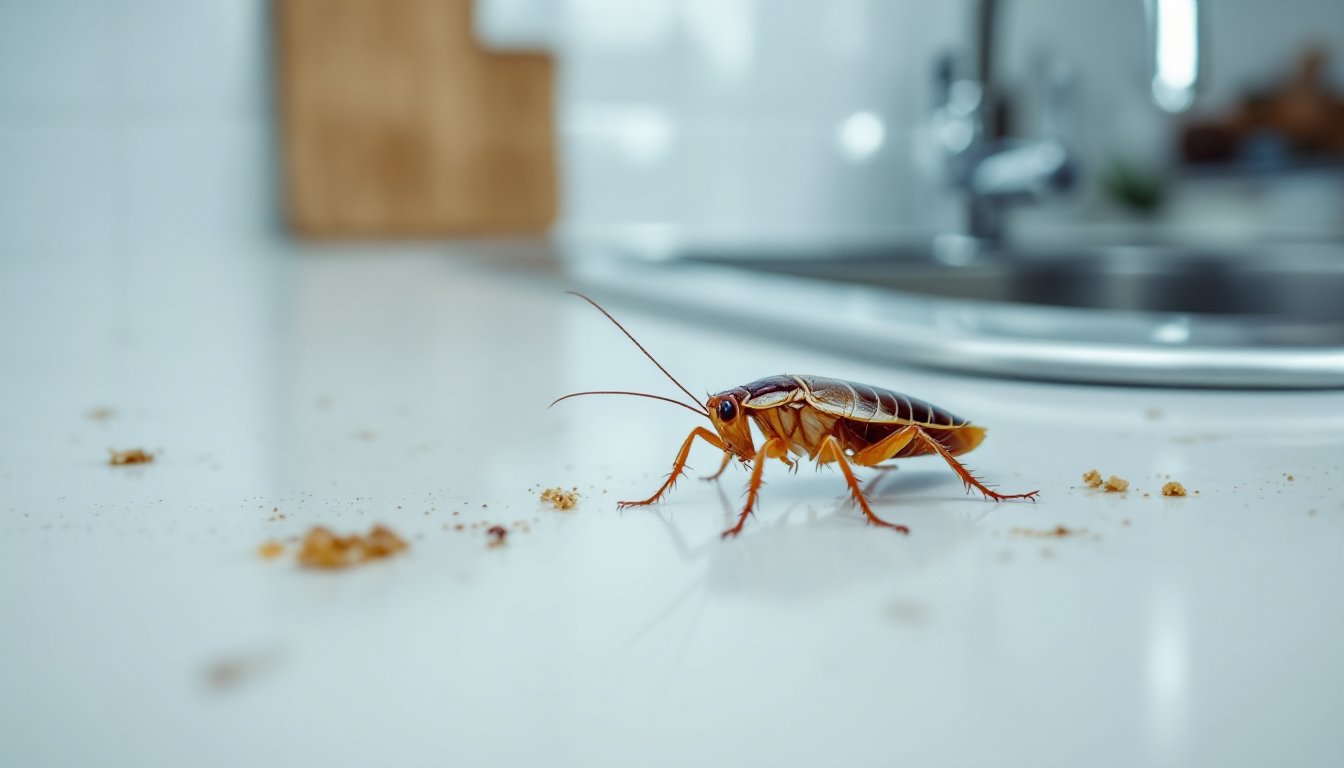
ToggleNobody wants to flip on the kitchen light at 2 a.m. and see a cockroach scuttle across the counter. These resilient pests aren’t just unsettling, they contaminate food, trigger allergies, and multiply fast enough to turn a single sighting into a full-blown infestation. The good news? With the right tactics and a bit of persistence, homeowners can reclaim their space without necessarily calling in the pros. This guide covers identification, proven DIY treatments, preventive measures, and when it’s time to bring in a professional exterminator.
Key Takeaways
- Cockroach pest control requires a multi-pronged approach combining elimination, sanitation, exclusion, and monitoring to prevent reinfestations.
- Gel baits are the gold standard for indoor cockroach control and should be reapplied every 2–3 weeks for 6–8 weeks to break the reproduction cycle.
- Moisture control is critical since roaches can survive weeks without food but only days without water; fix leaky faucets and eliminate condensation to drive them out.
- German cockroaches spotted during daytime signal an advanced infestation requiring immediate action, as one female can produce up to 400 offspring in her lifetime.
- Seal entry points smaller than ⅛ inch with caulk and steel wool, and eliminate clutter and outdoor harborages to prevent cockroaches from entering your home.
- Call a professional exterminator if DIY treatments don’t reduce activity after 4–6 weeks, or if you see roaches in multiple rooms, as hidden colonies often require professional-grade treatments.
Why Cockroaches Invade Homes and How to Identify an Infestation
Cockroaches enter homes for three reasons: food, water, and shelter. They’re drawn to crumbs under appliances, grease splatters on stovetops, pet food left overnight, and even the condensation around pipe fittings. A single grocery bag, cardboard box, or second-hand appliance can introduce egg cases (oothecae) that hatch weeks later.
Common species include the German cockroach (light brown, about ½ inch, found in kitchens and bathrooms), the American cockroach (reddish-brown, up to 2 inches, prefers basements and crawl spaces), and the Oriental cockroach (dark, sluggish, thrives in damp areas). German roaches are the most problematic indoors because they reproduce rapidly, one female can produce up to 400 offspring in her lifetime.
Signs of infestation include live or dead roaches (especially during daylight, which signals overcrowding), dark specks resembling ground pepper (fecal droppings), a musty odor in severe cases, and discarded exoskeletons near baseboards or under sinks. Check behind refrigerators, inside cabinet hinges, around plumbing penetrations, and in the motor housings of appliances. If you spot roaches during the day, the problem is likely advanced and requires immediate action.
DIY Cockroach Control Methods That Actually Work
Natural and Chemical Treatment Options
For light infestations or as a first line of defense, boric acid is a proven desiccant that damages roaches’ exoskeletons and digestive systems. Lightly dust it in cracks, behind appliances, and under cabinets, never apply thick piles, which roaches will avoid. Keep it away from kids and pets. Diatomaceous earth (DE) works similarly: use food-grade DE and apply with a bulb duster for even coverage.
Gel baits containing fipronil or hydramethylnon are highly effective because roaches consume the bait and carry it back to the colony, poisoning others through contact and feces. Apply pea-sized dots in areas where you’ve seen activity: under sinks, along baseboards, inside cabinet corners, and near plumbing entry points. Reapply every two weeks or as the bait is consumed.
For quick knockdown, insecticidal sprays with active ingredients like cypermethrin or deltamethrin can kill on contact and provide residual protection. Spray cracks, crevices, and along baseboards, but avoid spraying directly on bait stations, it repels roaches before they can feed. Always wear gloves and a respirator if applying in enclosed spaces, and ventilate thoroughly.
Natural deterrents like essential oils (peppermint, eucalyptus) may repel roaches temporarily but won’t eliminate an established colony. They’re better suited for prevention than treatment. Implementing thorough DIY pest control strategies can help address other household pests alongside cockroaches.
Best Baits, Traps, and Sprays for Cockroach Elimination
Sticky traps are diagnostic tools, not solutions. Place them along walls, under sinks, and behind appliances to monitor activity and identify heavy traffic areas. They won’t eliminate an infestation but help you target treatment zones.
Gel baits remain the gold standard for indoor control. Products like Advion or Maxforce contain slow-acting toxins that allow roaches to return to harborages before dying, spreading the poison through the colony. Apply fresh bait every 2–3 weeks for 6–8 weeks to break the reproduction cycle.
Bait stations (enclosed plastic discs) are safer around pets and children than open gel but can be less attractive to roaches. Place them under sinks, inside cabinets, and along known pathways. Combining bait stations with gel applications improves coverage.
For outdoor perimeter defense, granular baits and residual sprays create a barrier. Apply granules in mulch beds, around foundation cracks, and near entry points. Spray a 3-foot band along the foundation using a pump sprayer with a fan nozzle, focusing on door thresholds, window frames, and weep holes. Establishing a robust pest barrier around your home’s perimeter prevents cockroaches from entering in the first place.
Avoid bug bombs (foggers), they don’t penetrate cracks where roaches hide, leave surface residue, and can drive populations deeper into walls. Targeted applications always outperform broadcast treatments.
Long-Term Prevention Strategies to Keep Cockroaches Out
Elimination is only half the battle. Without prevention, reinfestations are almost guaranteed.
Start with sanitation. Vacuum crumbs and debris daily, especially under appliances and in tight corners. Wipe down counters and stovetops nightly to remove grease and food residue. Store pantry items in sealed containers, roaches will chew through cardboard and thin plastic. Don’t leave pet food out overnight. Empty trash daily and use bins with tight-fitting lids. According to experts at Good Housekeeping, maintaining a clean kitchen is one of the most effective ways to prevent pest infestations.
Moisture control is critical. Fix leaky faucets, pipe joints, and toilet seals. Run exhaust fans during and after showers. Dry sinks and tubs before bed. Roaches can survive weeks without food but only days without water, so eliminating moisture drives them out.
Seal entry points using caulk and steel wool. Focus on gaps around plumbing penetrations, electrical outlets, baseboards, and door sweeps. Inspect weather stripping on exterior doors and replace if worn. Check attic vents and crawl space openings for gaps. Even a ⅛-inch crack is large enough for a German roach nymph.
Reduce clutter. Cardboard boxes, stacked newspapers, and piles of clothing provide harborage. Store items in plastic bins with snap lids, especially in basements and garages. Keep firewood at least 20 feet from the house and elevated off the ground.
Outdoor maintenance matters, too. Trim shrubs and tree branches away from the house to eliminate bridges. Clean gutters to prevent standing water. Move mulch back 12 inches from the foundation and consider switching to gravel in high-risk areas. For comprehensive guidance on keeping your home pest-free year-round, review proven pest control advice from industry professionals.
When to Call a Professional Exterminator
DIY methods work for small, localized infestations, but some situations require a licensed exterminator.
Call a pro if you’ve applied bait and spray for 4–6 weeks without seeing a reduction in activity. Persistent infestations often involve hidden colonies in wall voids, crawl spaces, or shared plumbing chases in multi-unit buildings, areas DIY products can’t reach.
German cockroaches, in particular, are notoriously difficult to eliminate without professional-grade insect growth regulators (IGRs) that disrupt reproduction. If you’re seeing roaches during the day or finding them in multiple rooms, the colony is large enough to warrant expert treatment.
Professionals use a combination of gel baits, dusts, IGRs, and residual sprays applied with specialized equipment like crack-and-crevice injectors and compressed air dusters. Many offer quarterly service plans that include monitoring, retreatment, and exclusion work. Expect to pay $100–$300 for an initial treatment and $50–$150 per follow-up visit, depending on home size and severity.
If you’re in an apartment or condo, coordinate with your landlord or property manager. Cockroaches travel through shared walls and plumbing, so treating a single unit rarely works. Building-wide treatment is often necessary.
Choosing the best pest control for cockroaches often depends on the severity of the infestation and the specific species involved. Reputable services like Orkin and Moxie offer comprehensive solutions backed by trained technicians. Before hiring, verify the company is licensed and insured, ask about their treatment methods and guarantee policy, and request a written estimate. Read reviews on platforms like Real Simple to gauge customer satisfaction and service quality.
Conclusion
Cockroach control isn’t a one-and-done task, it’s a combination of elimination, sanitation, exclusion, and monitoring. Most homeowners can handle light infestations with gel baits, dusts, and consistent cleaning. For stubborn or widespread problems, don’t hesitate to call in a licensed exterminator. The key is persistence: stay vigilant, reapply treatments as needed, and close the gaps that let them in.