
Table of Contents
ToggleAsheville’s mix of mountain humidity, dense foliage, and older home stock creates a perfect storm for pest pressure. Termites chew through historic timber frames. Rodents squeeze through foundation gaps during cold snaps. And carpenter ants? They’re treating crawl spaces like all-you-can-eat buffets. Whether you’re in a Craftsman bungalow near downtown or a cabin in the foothills, knowing which pests threaten your home, and when DIY stops cutting it, can save thousands in structural repairs.
Key Takeaways
- Asheville’s humid climate and older housing stock create ideal conditions for termites, carpenter ants, rodents, and other wood-destroying pests that can cause costly structural damage if left untreated.
- Seal foundation cracks, gaps around utilities, and install hardware cloth over vents to prevent mice and rats from entering—gaps as small as 1/4 inch are enough for entry.
- Proper moisture control through crawl space barriers, gutter maintenance, and dehumidifiers eliminates the conditions that attract termites and carpenter ants, making this a critical DIY prevention step.
- Professional pest control in Asheville is essential for termites, bed bugs, established carpenter ant colonies, and large rodent infestations that DIY methods cannot effectively address.
- When hiring a pest control service, verify North Carolina licensure, request treatment details and warranties, and prioritize companies with experience in historic homes and mountain construction techniques.
- Monthly property inspections, proper firewood storage at least 20 feet from the house, and vegetation trimming prevent pests from establishing entry points and breeding grounds.
Common Pests Threatening Asheville Homes
Asheville’s elevation and seasonal weather swings bring a rotating cast of pests, each with distinct risks and timelines.
Termites and Wood-Destroying Insects
Subterranean termites dominate Western North Carolina. They build mud tubes from soil to wooden sill plates and floor joists, digesting cellulose 24/7. A mature colony can consume roughly one linear foot of 2×4 framing per year, slow, silent, and expensive. Swarmers emerge in spring (March through May), often mistaken for flying ants. Look for discarded wings near windowsills or foundation vents.
Carpenter ants don’t eat wood: they excavate it for nesting galleries. They prefer moist, decaying lumber, rotted porch columns, leaky window frames, or crawl space joists with poor ventilation. If you see coarse sawdust (frass) piles under beams or hear faint rustling inside walls at night, you’ve got an active colony.
Powderpost beetles target hardwood flooring, antique furniture, and unfinished lumber. Exit holes are tiny, 1/16″ to 1/8″, but the internal damage spreads fast. If you’re renovating an older home, inspect reclaimed beams and flooring carefully.
Rodents and Wildlife Intrusions
Mice and rats exploit Asheville’s older housing stock. Gaps as small as 1/4 inch (about the diameter of a pencil) give mice access: rats need 1/2 inch. Common entry points: foundation cracks, dryer vents without dampers, gaps where utility lines penetrate siding, and uncapped chimneys. Once inside, they chew wiring (fire hazard), contaminate insulation with urine, and reproduce fast, a single female mouse can birth six litters per year.
Flying squirrels and raccoons target attics. Flying squirrels are nocturnal, so homeowners hear scratching and rolling sounds after dark. Raccoons tear off ridge vents or soffit panels to access attic space, then flatten insulation and leave waste piles. Both animals can carry parasites and diseases.
Stink bugs aren’t structural threats, but the brown marmorated stink bug clusters in wall voids and attics during fall, seeking warmth. Come spring, they emerge indoors by the dozens. Sealing exterior cracks with polyurethane caulk before October helps, but annual treatments by professionals using targeted control methods remain the most reliable option.
DIY Pest Prevention Strategies for Asheville Homeowners
Most pest problems start with easy access and favorable conditions. Tightening up the building envelope and managing moisture eliminate the majority of attractants.
Seal entry points. Walk the perimeter of your home with a caulk gun and can of expanding polyurethane foam. Target foundation cracks, gaps around window and door trim, plumbing penetrations, and HVAC line sets. For vents, install 1/4-inch galvanized hardware cloth over openings. Mice can’t chew through metal mesh. If you’re tackling DIY pest prevention, this step delivers the highest ROI.
Control moisture. Asheville’s humidity feeds wood rot, which attracts termites and carpenter ants. Install 6-mil polyethylene vapor barrier in crawl spaces, securing edges with furring strips and construction adhesive. Fix leaky gutters and downspouts: water should discharge at least 6 feet from the foundation. Inside, run a dehumidifier in basements or crawl spaces to keep relative humidity below 60%.
Store firewood properly. Stack cordwood at least 20 feet from the house, elevated on treated lumber or concrete blocks. Bark beetles, carpenter ants, and termites colonize woodpiles, then migrate to structures. Never store firewood in attached garages or against exterior walls.
Trim vegetation. Keep tree branches at least 6 feet from rooflines. Overhanging limbs create squirrel highways into attics. Shrubs should clear the foundation by 18 inches to improve airflow and reduce harborage for rodents.
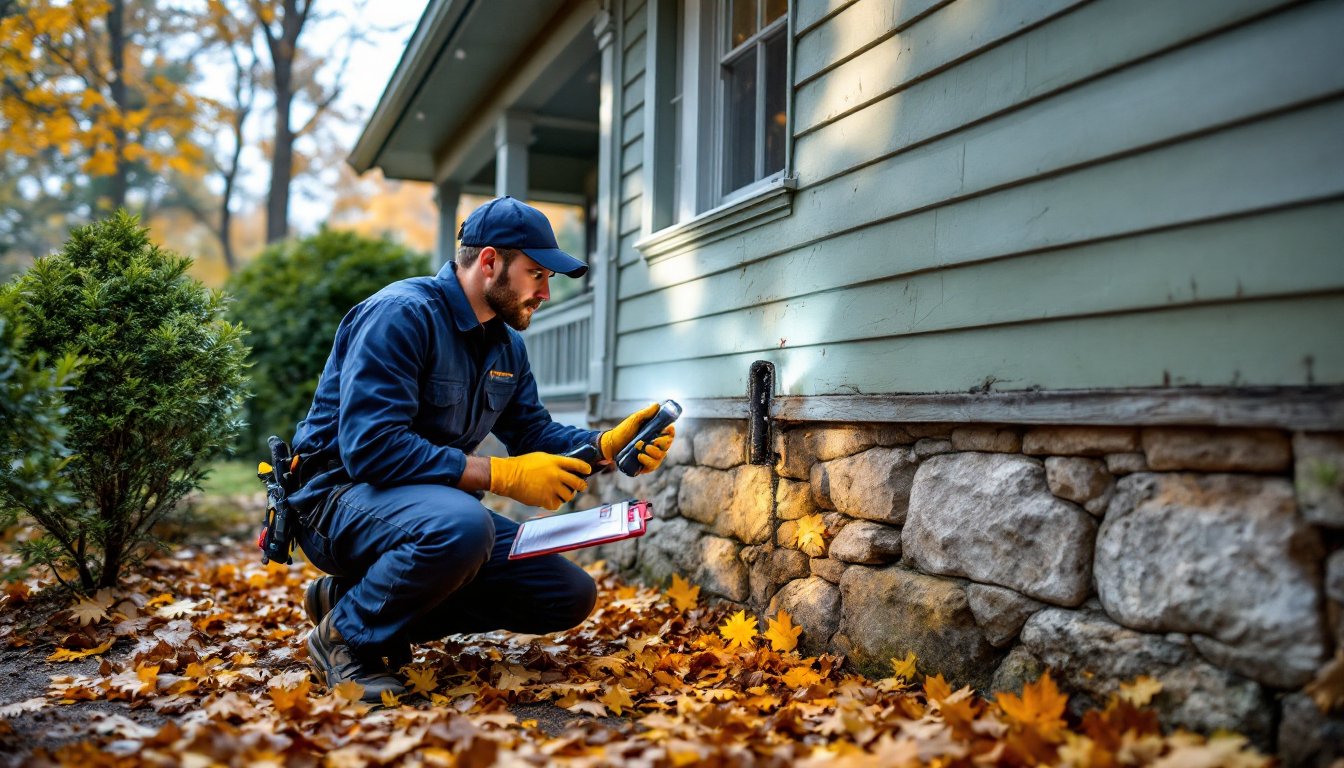
Inspect regularly. Monthly walkthroughs catch problems early. Check crawl spaces for mud tubes. Inspect attic insulation for droppings or nesting material. Test exterior caulk joints annually and refresh as needed. Safety note: Always wear a respirator rated N95 or better, gloves, and eye protection when inspecting crawl spaces or attics, rodent droppings and insulation dust present respiratory hazards.
Use traps, not poisons (for rodents). Snap traps baited with peanut butter or sunflower seeds work well for mice. Place them perpendicular to walls, trigger side facing the baseboard. For rats, use larger wooden or plastic snap traps. Avoid rodenticides inside living spaces, poisoned rodents often die in wall voids, creating odor problems and attracting secondary pests. For more region-specific approaches, resources on managing pest challenges can be valuable.
When to Call a Professional Pest Control Service
Some infestations require licensed applicators, specialized equipment, or treatments that aren’t sold over the counter.
Termites. If you spot mud tubes, swarmer wings, or hollow-sounding framing, stop. Termite control involves liquid termiticides (such as non-repellent products like fipronil) or bait station systems installed around the foundation perimeter. Both require state licensing and application equipment. DIY termite treatments rarely establish the continuous chemical barrier needed for long-term protection. Also, lenders and title companies often demand treatment records and warranties during home sales.
Bed bugs. These hitch rides home from hotels and thrift stores, hiding in mattress seams, baseboards, and electrical outlets. Effective eradication requires whole-room heat treatment (raising interior temps to 120–140°F for several hours) or targeted pesticide applications with follow-up inspections. Over-the-counter sprays push bed bugs deeper into wall voids, spreading the problem.
Carpenter ants (established colonies). Finding the parent colony, often located in a tree stump, rotted deck post, or exterior wall cavity, takes experience. Professionals use non-repellent insecticides that worker ants carry back to the nest, eliminating the queen. DIY sprays kill visible ants but leave the colony intact.
Wildlife removal. Trapping and relocating raccoons, squirrels, or bats is regulated by the North Carolina Wildlife Resources Commission. Homeowners need permits for certain species, and improper handling risks bites or disease transmission. Licensed nuisance wildlife operators have the training and liability coverage. They also identify and seal entry points to prevent re-entry, something many homeowners miss.
Large-scale rodent infestations. If you’re catching more than two to three mice per week or seeing rats in multiple rooms, the population is established. Pros use a combination of traps, bait stations, exclusion work, and attic sanitation (removing contaminated insulation). Infestations of this scale often indicate structural gaps that require repairs. Resources like those found on top-rated specialists can help narrow your search when local expertise matters.
Choosing the Right Pest Control Company in Asheville
Not all pest control operators are equal. Asheville’s mix of vintage homes and rural properties demands experience with both historic construction and mountain ecology.
Verify licensing and insurance. North Carolina requires pest control companies to hold a Pesticide Applicator License issued by the NC Department of Agriculture. Ask for the company’s license number and verify it online. Confirm they carry general liability and workers’ compensation insurance, you don’t want liability if a technician is injured on your property.
Ask about treatment methods. Reputable companies explain their approach: inspection process, products used (active ingredients, not just brand names), application sites, and re-treatment intervals. For termites, clarify whether they offer liquid treatments, bait systems, or both. For general pest control, inquire about Integrated Pest Management (IPM) practices, combining exclusion, sanitation, and targeted pesticide use rather than blanket spraying.
Request references and read reviews. Check local contractor platforms for verified customer feedback. Look for patterns: Do they show up on time? Do treatments hold up between service visits? How responsive is customer service when problems arise? For businesses managing similar challenges in other regions, companies offering comprehensive pest solutions often provide useful benchmarks.
Compare warranties and service agreements. Termite treatments should include a renewable annual warranty covering re-treatment and structural repair (up to policy limits) if termites return. General pest control plans typically run quarterly, with free re-services between visits if pests reappear. Read the fine print: some warranties exclude certain pests or require continuous service.
Get multiple quotes. Pricing varies based on home size, infestation severity, and treatment type. For a 2,000-square-foot home, expect ballpark figures of $800–$1,500 for initial termite treatment, $300–$600 annually for general pest control (quarterly service), and $150–$400 for one-time rodent exclusion. Always get written estimates.
Ask about Asheville-specific experience. Mountain homes face unique challenges: high crawl spaces, stone foundations, and log construction. A company familiar with these details, like how to treat termites around stone chimneys or seal gaps in chinking, will deliver better results.
Conclusion
Asheville’s pest pressure isn’t going away, but homeowners who combine proactive exclusion, moisture control, and timely professional help can protect their investment without constant drama. Walk your property monthly, seal gaps before critters find them, and know when to call in licensed help. Mountain living comes with trade-offs, but an ant colony in the floor joists doesn’t have to be one of them.