
Table of Contents
ToggleMountain living offers stunning views, fresh air, and a connection to nature that flatland homes can’t match. But that proximity to wilderness comes with a trade-off: critters that see your cozy highlands home as their next address. From mice seeking warmth in your crawl space to carpenter ants eyeing your deck framing, highland properties face pest pressures that low-elevation homes simply don’t encounter. This guide walks homeowners through the specific challenges of mountain pest control, identifies the most common invaders, and lays out both DIY prevention tactics and clear signs it’s time to bring in the pros.
Key Takeaways
- Highlands pest control requires understanding unique mountain vulnerabilities: crawl spaces, seasonal temperature swings, fog-driven moisture, and proximity to dense wildlife populations create conditions that flatland homes don’t face.
- Mice, carpenter ants, and seasonal insects are the primary threats in highland regions, with deer mice posing disease risks and carpenter ants excavating wood for nests rather than eating it.
- Seal all gaps larger than ¼ inch with copper mesh and exterior-grade caulk, extend downspouts 6 feet from foundations, and store firewood 20 feet away to prevent rodent and insect entry.
- Manage moisture aggressively by cleaning gutters quarterly, installing crawl space vapor barriers, and repairing leaks promptly, as wood-destroying fungi and pests thrive in damp conditions.
- Call licensed professionals for active termite infestations, widespread carpenter ant damage, wildlife removal, or structural repairs, as these exceed DIY safety and legal requirements in most highland regions.
- Focus on seasonal prevention patterns: winterize in fall before cluster flies and rodents seek shelter, inspect in spring after snow melt reveals new gaps, and maintain exclusion barriers year-round to handle 80% of pest problems before they start.
Why Highlands Homes Face Unique Pest Challenges
Elevation changes everything when it comes to pest behavior and home construction vulnerabilities. Highland properties typically sit near forested areas where wildlife populations are dense and natural food sources fluctuate seasonally. When acorn crops fail or winter arrives early, animals like squirrels, raccoons, and mice shift from opportunistic to desperate, targeting homes aggressively.
Construction methods also differ at elevation. Many mountain homes feature crawl spaces instead of slabs, creating accessible voids beneath living areas. Older cabins may have log or timber frame construction with natural gaps that expand and contract with humidity swings, each crack is an open invitation. Deck and porch construction often uses untreated or poorly sealed wood in contact with soil, a textbook setup for termite and carpenter ant activity.
Climate patterns intensify the problem. Highland regions experience sharper temperature swings between day and night, pushing cold-blooded insects to seek the thermal mass of your foundation or attic. Moisture from fog, snow melt, and higher precipitation creates ideal conditions for wood-destroying fungi and the insects that feed on them. Understanding these factors isn’t academic, it shapes every prevention strategy and determines which pests you’ll fight year-round versus seasonally.
Common Pests in Highland and Mountain Regions
Rodents and Wildlife Intrusions
Mice and rats top the problem list for most mountain homeowners. Deer mice (Peromyscus maniculatus) are especially common in highlands and can carry hantavirus, making them more than a nuisance. They enter through gaps as small as ¼ inch, often around pipe penetrations, soffit vents, or where siding meets the foundation. Roof rats and Norway rats follow similar pathways but need slightly larger openings.
Squirrels, both gray and red varieties, treat attics like luxury condos. They chew through ridge vents, fascia boards, and even asphalt shingles to access insulation and framing cavities. Once inside, they gnaw on electrical wiring (a genuine fire hazard) and contaminate insulation with urine and feces. Always wear a NIOSH-approved N95 respirator when cleaning rodent-contaminated areas due to disease risk.
Larger wildlife presents different challenges. Raccoons tear off vent covers and chimney caps, while black bears have been known to pry open crawl space doors or rip through exterior foam insulation when food-motivated. These intrusions often require structural repairs beyond simple pest exclusion and may involve coordinating with professionals for damage assessment.
Seasonal Insects and Wood-Destroying Pests
Carpenter ants (Camponotus spp.) are the top wood-destroying insect in highland regions. Unlike termites, they don’t eat wood, they excavate it to build nests, preferring moisture-damaged or decaying lumber. Look for small piles of sawdust (frass) near deck posts, window sills, or roof eaves. Active infestations produce faint rustling sounds inside walls at night.
Subterranean termites are less common at higher elevations but still present, particularly where homes have wood-to-soil contact or moisture issues. In the eastern highlands, dampwood termites become more prevalent, targeting logs, stumps, and untreated timbers in contact with damp ground. Both require professional treatment in most cases.
Seasonal insects follow predictable patterns that align with year-round pest management strategies. Cluster flies invade attics in fall, overwintering in wall voids before emerging en masse in spring. Box elder bugs and Asian lady beetles follow similar cycles, seeking warm hibernation sites. Yellow jackets and paper wasps build nests under eaves and in soffit gaps from April through October, peaking in late summer when colonies reach maximum size. Stink bugs have become increasingly problematic in mountain areas over the past decade, entering homes through window frames and door sweeps as temperatures drop.
DIY Pest Prevention Strategies for Highland Homeowners
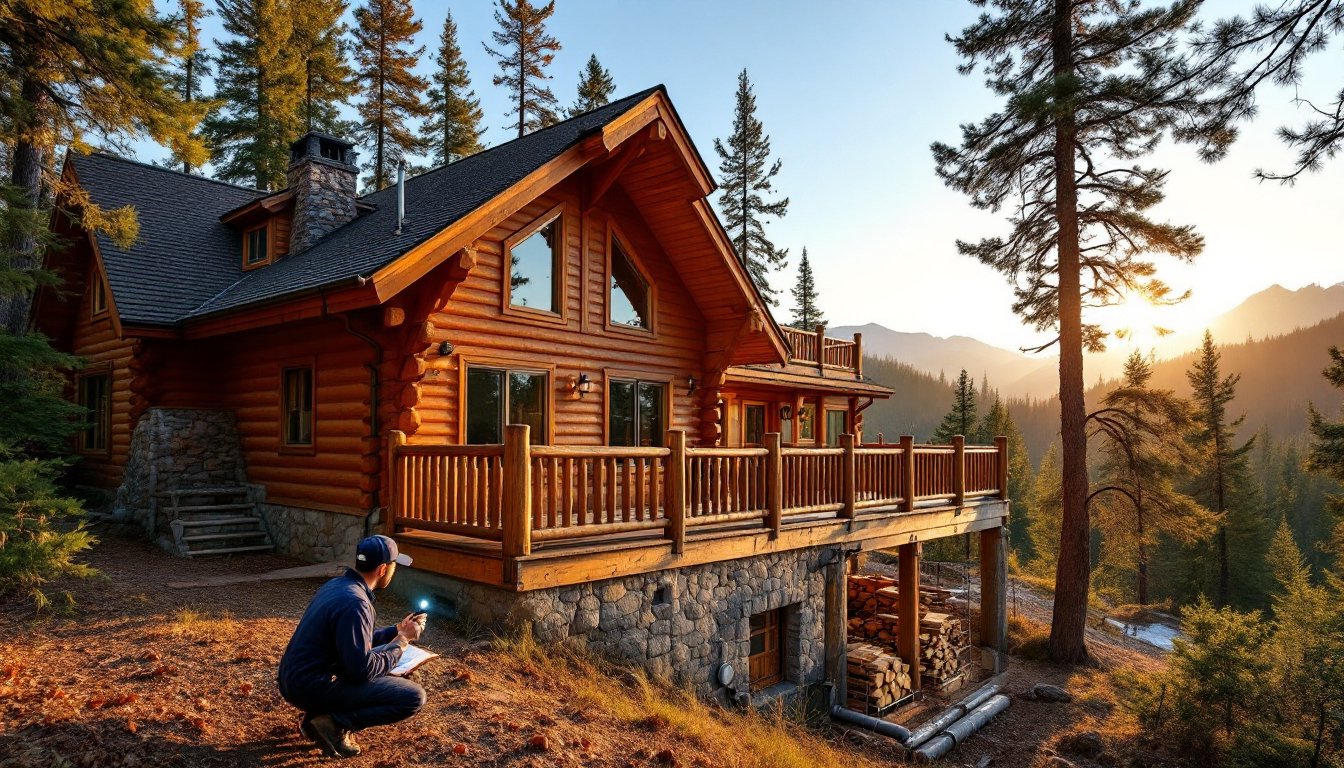
Prevention beats treatment every time, and mountain homes require a more thorough approach than suburban properties. Start with a detailed exterior inspection twice yearly, spring and fall, wearing safety glasses and bringing a flashlight, caulk gun, and notepad.
Seal all penetrations where utilities enter the home. Use copper mesh or steel wool stuffed into gaps around pipes, then seal with exterior-grade polyurethane caulk (silicone won’t adhere to some surfaces and rodents can chew through it). Replace worn door sweeps and weatherstripping, especially on garage doors and basement entries. Check foundation vents for torn screens and replace with ¼-inch galvanized hardware cloth.
Address moisture sources aggressively. Clean gutters quarterly and extend downspouts at least 6 feet from the foundation. Grade soil away from the house at a minimum 1-inch drop per foot for the first 10 feet. Repair leaking hose bibs and irrigation lines promptly. In crawl spaces, install a 6-mil polyethylene vapor barrier over exposed soil and maintain ventilation cross-flow, one square foot of vent per 150 square feet of crawl space is IRC minimum, though many pest experts recommend more in humid highland climates.
Wood management makes a significant difference. Store firewood at least 20 feet from the house and 5 inches off the ground on a rack or pallets. Never stack it against siding or under decks. Remove tree stumps, fallen logs, and brush piles within 30 feet of the structure. Trim tree branches so they don’t overhang the roof or touch siding, squirrels can leap 8-10 feet horizontally.
Inside, reduce attractants by storing dry goods in sealed containers (not the original packaging), fixing dripping faucets, and keeping kitchen surfaces clean. Basements and attics should be decluttered to eliminate hiding spots. Many homeowners overlook pet food as a rodent attractant, store it in metal or heavy plastic bins with tight lids.
For those comfortable with basic DIY approaches, snap traps remain the most effective rodent control for small infestations. Place them perpendicular to walls with the trigger end nearly touching the baseboard. Bait with peanut butter, not cheese. Check traps daily and dispose of carcasses promptly, wearing disposable gloves.
When to Call Professional Pest Control Services
Some situations exceed DIY capabilities or carry risks that make professional intervention the smarter play. Call a licensed pest control operator when you encounter active termite mud tubes, widespread carpenter ant damage, or signs of multiple rodent nests (significant droppings, shredded insulation, strong urine odor). These issues require specialized treatment products and application methods not available to homeowners.
Wildlife removal demands expertise. Many states regulate trapping and relocation of raccoons, squirrels, and other animals. Improper handling risks bites, disease transmission, and legal violations. Licensed wildlife control operators understand local regulations, use humane methods, and can perform necessary exclusion work to prevent re-entry.
Structural work tied to pest prevention, like replacing rotted rim joists, sistering damaged floor framing, or installing crawl space encapsulation systems, often requires permits and should involve licensed contractors. If professional services are needed, get multiple estimates and verify licensing with your state’s pesticide regulatory agency.
Certain pesticide applications legally require professional licensure. Termiticide soil treatments, for example, involve drilling into slabs or trenching around foundations and applying restricted-use products. Misapplication creates environmental hazards and voids most treatment warranties. When researching local providers, check reviews and certifications carefully, platforms like contractor matching services can help identify qualified operators in mountain regions.
Don’t hesitate to consult professionals for identification help. Many university extension offices offer free or low-cost pest ID services. Snap a clear photo or collect a sample (killed, in a sealed plastic bag), and they can confirm what you’re dealing with and suggest appropriate control measures. For ongoing concerns, consider expert advice resources that cover common pest issues and proven solutions.
Conclusion
Mountain homeownership means accepting that you’re living on the edge of wild habitat where pest pressure never fully disappears. But with consistent exclusion work, moisture control, and seasonal vigilance, most highland properties can maintain comfortable pest-free conditions without constant professional intervention. Focus on the fundamentals, seal gaps, manage water, eliminate habitat, and you’ll handle 80% of problems before they start.