
Table of Contents
ToggleAmherst’s mix of historic homes and wooded lots makes it a beautiful place to live, and a prime target for pests. From carpenter ants chewing through old-growth timber to mice seeking shelter from harsh New England winters, homeowners face year-round challenges. Whether you’re dealing with an active infestation or looking to prevent one, understanding local pest behavior and practical control methods saves time, money, and stress. This guide covers what’s crawling around Western Massachusetts, which DIY tactics hold up, and when it’s time to call for backup.
Key Takeaways
- Amherst pest control begins with exclusion—sealing gaps wider than ⅛ inch in foundations, window frames, and around utility penetrations prevents most infestations before they start.
- Carpenter ants, rodents, and overwintering insects follow seasonal patterns in Western Massachusetts, with peak activity in spring and fall when targeted prevention efforts are most effective.
- Snap traps, diatomaceous earth, and boric acid baits are proven DIY methods for common pests, but expect 2–4 weeks for population reductions and avoid ineffective products like ultrasonic repellents.
- Moisture management—including gutter maintenance, dehumidifiers, and proper grading—is critical since carpenter ants, termites, and silverfish require water to survive and thrive in damp conditions.
- Termite tubes, bed bugs, extensive carpenter ant damage, or large rodent infestations warrant professional pest control services; licensed applicators in Massachusetts can provide targeted treatments and inspections that DIY methods cannot match.
- Landscaping and sanitation practices—trimming branches 2 feet from siding, storing firewood 20 feet away, and using airtight food containers—reduce pest attractants and prevent future infestations year-round.
Common Pest Problems Homeowners Face in Amherst
Amherst’s location in the Pioneer Valley puts homes directly in the path of several regionally common pests. Older construction, abundant tree cover, and temperature swings create ideal conditions for insects and rodents alike.
Carpenter ants are the top structural threat in this area. They tunnel through damp or damaged wood, often entering through fascia boards, sill plates, or rotted window frames. Unlike termites, they don’t eat the wood, they excavate it to build nests. Signs include sawdust piles (frass) near baseboards and faint rustling sounds inside walls.
Mice and voles become aggressive home invaders once temperatures drop below 40°F. They can squeeze through openings as small as ¼ inch and often nest in wall cavities, attics, and basements. Droppings near food storage, gnawed wiring, and shredded insulation are telltale indicators.
Pavement ants and odorous house ants thrive in warmer months, trailing along kitchen counters and bathroom tiles in search of sugars and proteins. Odorous house ants release a distinctive coconut-like smell when crushed.
Cluster flies and boxelder bugs invade homes in fall, seeking overwintering sites. They congregate on south- and west-facing walls before slipping through gaps in siding, vents, and window frames. While mostly a nuisance, large numbers can stain fabrics and surfaces.
Seasonal Pest Patterns in Western Massachusetts
Pest activity in Amherst follows a predictable calendar, and timing your prevention efforts around these cycles makes a measurable difference.
Spring (March–May): Carpenter ants emerge from dormancy as temperatures climb above 50°F. Queens establish new colonies, and foraging workers scout for water and food sources. This is also when ticks (including deer ticks carrying Lyme disease) become active in leaf litter and wooded areas. Inspect foundation perimeters and trim back branches touching the roofline.
Summer (June–August): Ant and wasp activity peaks. Yellow jackets build nests in eaves, ground cavities, and wall voids. Mosquitoes breed in standing water, check clogged gutters, downspouts, and birdbaths weekly. Homeowners dealing with seasonal pest challenges should prioritize outdoor sanitation and perimeter barriers during this window.
Fall (September–November): Rodents and overwintering insects seek entry points as outdoor food sources decline. Seal gaps around utility penetrations (cable lines, pipes, dryer vents) with copper mesh or expanding foam rated for pest exclusion. Check weatherstripping on doors and garage thresholds.
Winter (December–February): Indoor pest pressure shifts to rodents, which remain active year-round. Monitor attics and basements for droppings and nesting material. Insects like cluster flies may emerge on warm, sunny days near windows but generally remain dormant.
DIY Pest Control Methods That Actually Work
Not every pest problem requires professional intervention. Many common issues can be managed with consistent effort, the right products, and realistic expectations about results.
Natural and Chemical Prevention Strategies
Exclusion is the single most effective DIY tactic, if pests can’t get in, they can’t establish populations. Walk your home’s exterior during daylight and mark gaps with painter’s tape. Common entry points include:
- Foundation cracks wider than ⅛ inch (seal with polyurethane or silicone caulk)
- Gaps around window and door frames (apply closed-cell foam backer rod before caulking)
- Uncapped chimneys and open gable vents (install ⅛-inch hardware cloth screens)
- Torn or missing weatherstripping on exterior doors (replace with EPDM or silicone bulb weatherstripping)
For ant control, diatomaceous earth (DE) works when applied correctly. Use food-grade DE in a thin, even layer along baseboards, behind appliances, and in cabinet corners. It dehydrates insects mechanically, so it remains effective even if ants avoid treated areas initially. Wear an N95 respirator during application, DE is a lung irritant.
Boric acid bait stations offer longer-lasting control for ants and roaches. Mix 1 part boric acid powder with 3 parts powdered sugar and place small amounts (pea-sized) in bottle caps near trails. Foraging workers carry the toxin back to the colony. Keep pets and children away, boric acid is low-toxicity but not non-toxic.
For rodents, snap traps still outperform most modern alternatives when properly baited and positioned. Use peanut butter, dried fruit, or nesting material (cotton balls) as bait. Place traps perpendicular to walls with the trigger end facing the baseboard, rodents travel along edges, not open floors. Check traps daily and wear nitrile gloves when disposing of carcasses.
Ultrasonic repellents and essential oil sprays have minimal peer-reviewed efficacy. Save your money.
For chemical control, pyrethroid-based perimeter sprays (permethrin, bifenthrin, cyfluthrin) create a residual barrier that lasts 30–90 days depending on weather exposure. Apply a 3-foot band along the foundation, focusing on cracks, weep holes, and areas near downspouts. Follow label instructions for dilution ratios and reentry times. Always wear chemical-resistant gloves and eye protection.
Indoor crack-and-crevice treatments using aerosol sprays with a straw applicator (containing deltamethrin or lambda-cyhalothrin) work for treating baseboards, electrical outlets, and plumbing penetrations where ants and roaches hide. Avoid spraying on food-contact surfaces.
Homeowners exploring do-it-yourself options should start with exclusion and mechanical controls before escalating to chemical treatments. Results take time, expect 2–4 weeks to see population reductions with baits and barriers.
When to Call a Professional Pest Control Service
Some infestations exceed DIY capacity, either because of scale, location, or the species involved. Recognizing these scenarios early saves money and prevents structural damage.
Call a licensed professional immediately if you find:
- Termite mud tubes on foundation walls or floor joists. Subterranean termites are present in Massachusetts and require soil treatments and monitoring stations that aren’t available over the counter.
- Bed bug evidence (rust-colored fecal stains on mattress seams, shed skins, or live bugs near sleeping areas). These insects hide in electrical outlets, picture frames, and furniture joints, successful eradication requires heat treatment or targeted insecticide applications beyond retail products.
- Wasp or hornet nests in wall voids, attics, or high-traffic areas. Removing active nests carries sting risk, especially for bald-faced hornets and yellow jackets guarding entryways. Professionals use protective suits and residual dusts (like permethrin or deltamethrin) applied directly into nest cavities.
- Extensive carpenter ant damage or multiple satellite colonies. Pros use foam or dust insecticides to treat wall voids and can locate parent colonies with infrared cameras and moisture meters.
- Rodent infestations involving more than occasional sightings, such as droppings in multiple rooms, active gnawing sounds, or visible burrows under porches or sheds. Professionals set trap lines, identify entry points with borescopes, and offer exclusion services that include installing vent covers and sealing structural gaps.
Many reputable local services offer free inspections and can provide Integrated Pest Management (IPM) plans tailored to your home’s construction and landscape.
Permits and regulations: In Massachusetts, most pest control work doesn’t require a homeowner permit, but licensed applicators must hold credentials through the Massachusetts Pesticide Board for commercial application of restricted-use pesticides. If you’re hiring a service, verify their license status and ask for proof of insurance.
When estimating costs, expect to pay $150–$300 for an initial inspection and treatment for common pests like ants or mice. Termite treatments and bed bug eradication run significantly higher ($1,200–$3,500+) depending on home size and infestation severity. Pricing varies regionally, so get quotes from at least two providers. Use platforms like HomeAdvisor to compare estimates and read verified reviews.
If a company pushes for whole-house fumigation as a first-line treatment for minor issues, that’s a red flag. Reputable pros start with targeted treatments and escalate only if necessary.
Preventing Future Infestations: Home Maintenance Tips
Long-term pest control hinges on reducing attractants and eliminating access. Most prevention tasks align with routine home maintenance, add them to your seasonal checklist.
Moisture management is critical. Pests, especially carpenter ants, termites, and silverfish, need water to survive. Address these common moisture sources:
- Clean gutters and downspouts twice annually (spring and fall). Extend downspouts at least 6 feet from the foundation.
- Repair leaking faucets, supply lines under sinks, and toilet wax rings. Even minor drips create humidity in wall cavities.
- Install a dehumidifier in basements with relative humidity above 60%. Aim for 30–50% RH.
- Check crawl spaces for standing water and ensure 6-mil polyethylene vapor barriers cover dirt floors completely, with edges sealed to foundation walls.
- Grade soil away from the foundation (minimum 1-inch drop per foot for the first 6 feet) to prevent water pooling.
Sanitation and storage: Keep food in airtight containers (glass or hard plastic with gasket lids). This includes pet food, birdseed, and pantry staples. Empty kitchen trash daily and use bins with tight-fitting lids. Store firewood at least 20 feet from the house and 8 inches off the ground on a rack, this deters both insects and rodents.
Landscaping adjustments reduce pest pressure:
- Trim tree branches and shrubs so they’re at least 2 feet away from siding and the roofline. Overhanging branches act as highways for ants, squirrels, and roaches.
- Remove leaf litter, mulch piles, and ground debris near the foundation. If you use mulch in flower beds, maintain a 12-inch gap between mulch and siding.
- Replace wood mulch with gravel or rubber mulch in areas prone to carpenter ant or termite activity.
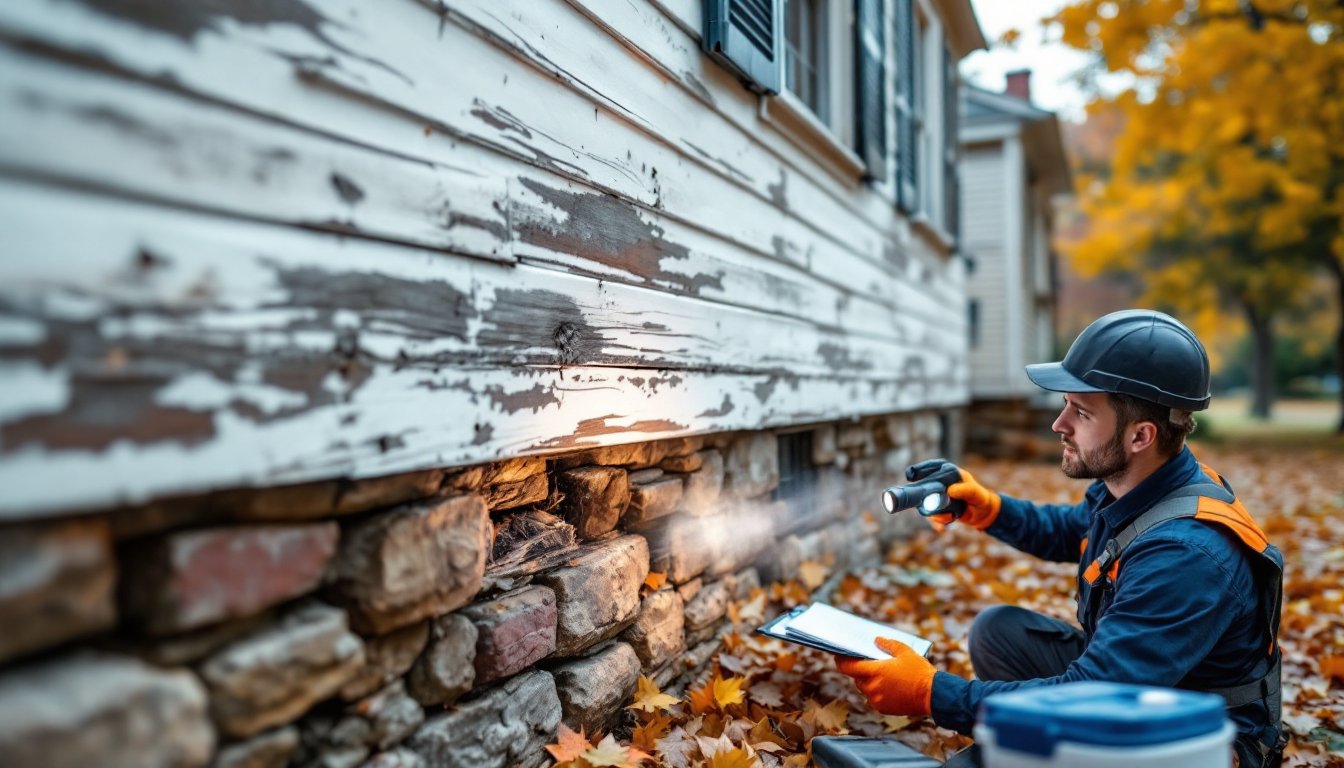
Structural inspections: Walk your home’s perimeter twice a year (spring and fall) with a flashlight and screwdriver. Probe wooden sill plates, porch supports, and deck joists for soft spots indicating rot or insect damage. Check attic rafters and basement rim joists for moisture stains or frass piles.
If you’re planning a move or home renovation, incorporate pest prevention into the project scope. Sealing gaps during remodeling is far easier than retrofitting later, and many moving planning resources include pest-proofing checklists for new homeowners.
Document your efforts. Keep a log of treatments applied, dates, and locations. This helps identify recurring problem areas and provides a record if you later need professional assistance. Photos of entry points before and after sealing also prove useful for warranty claims or insurance purposes.
Conclusion
Pest control in Amherst is an ongoing process, not a one-time fix. By understanding local pest behavior, using proven DIY methods where appropriate, and knowing when to bring in professionals, homeowners can maintain comfortable, pest-free spaces year-round. Focus on exclusion, moisture control, and consistent monitoring, these fundamentals prevent most infestations before they start.