
Table of Contents
TogglePests don’t just appear, they invade when conditions are right, and once they’re comfortable, eviction is a headache. Traditional methods involve traps, poisons, or hiring an exterminator, all of which come with mess, cost, or ongoing maintenance. Ultrasonic pest control promises a different approach: plug in a device, let it emit high-frequency sound waves humans can’t hear, and watch pests leave on their own. It sounds almost too convenient, which is why homeowners remain skeptical. This guide cuts through the marketing hype, explains how these devices actually function, and helps determine if they’re worth a spot in your pest management toolkit.
Key Takeaways
- Ultrasonic pest control devices emit high-frequency sound waves (20–65 kHz) to create an uncomfortable environment that drives pests away without poison or traps.
- Rodents show the greatest response to ultrasonic pest control, while cockroaches, ants, spiders, and mosquitoes have minimal to no reaction and require alternative pest management methods.
- Ultrasonic devices only cover single rooms or 400–600 square feet effectively and don’t penetrate walls or furniture, so placement 3–4 feet off the floor on interior walls is critical for success.
- These plug-and-play units are safe for homes with children and pets, drawing less than 5 watts and producing no toxic chemicals, but effectiveness is improved with variable frequency settings that prevent pest habituation.
- Ultrasonic repellers work best as part of an integrated approach that includes sealing entry points, proper sanitation, and food storage—not as standalone solutions for established infestations.
- Verify devices meet UL or ETL safety standards, allow 2–4 weeks to assess results, and consult a licensed exterminator for serious infestations rather than relying solely on ultrasonic technology.
What Is Ultrasonic Pest Control and How Does It Work?
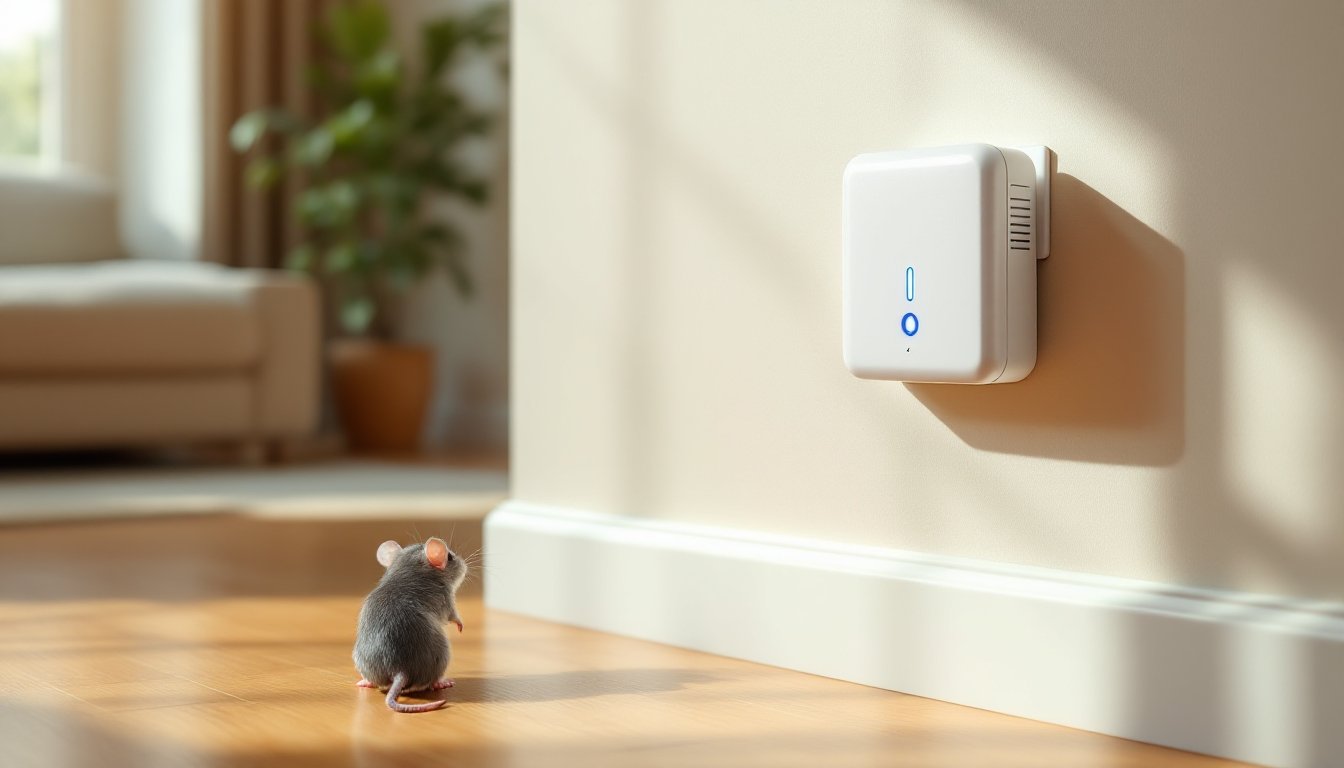
Ultrasonic pest repellers are electronic devices that emit high-frequency sound waves, typically ranging from 20 kHz to 65 kHz, which fall outside the range of human hearing (generally capped around 20 kHz). The theory is straightforward: these frequencies irritate pests’ auditory and nervous systems, creating an uncomfortable environment that drives them away without harming them.
Most units plug directly into a standard 120-volt outlet and begin transmitting sound waves immediately. Some models include adjustable frequency settings or intermittent pulsing patterns to prevent pests from acclimating to a single pitch. The sound doesn’t pass through walls effectively, so one device typically covers a single room or open area, not an entire home.
The technology isn’t new, ultrasonic repellers have been marketed since the 1980s. But, advances in circuitry and speaker design have improved output consistency and coverage area in recent models. These devices don’t kill pests: they’re designed to make the space inhospitable enough that rodents, insects, and other creatures choose to relocate. Safety Note: Always verify the device is UL-listed to avoid fire hazards from cheaply manufactured electronics.
Benefits of Using Ultrasonic Pest Repellers in Your Home
The appeal of ultrasonic devices lies in what they don’t require: no poison, no cleanup of dead pests, no resetting mechanical traps, and no recurring costs for bait or cartridges. For households with children or pets, eliminating toxic chemicals is a significant advantage, especially compared to traditional DIY pest control methods that often rely on rodenticides or insecticide sprays.
They’re also silent to human ears, making them suitable for bedrooms, nurseries, or home offices where noise is an issue. Unlike snap traps or glue boards, there’s no risk of accidentally catching a curious pet or child’s fingers.
Installation is plug-and-play, no drilling, wiring, or carpentry skills required. Most units draw less than 5 watts of power, adding negligible cost to monthly electric bills (roughly $0.50–$1.00 per year per device at average rates). They also produce no odor, unlike mothballs or certain deterrent sprays.
That said, they’re not a standalone solution. Ultrasonic devices work best as part of an integrated approach alongside sanitation, exclusion (sealing entry points), and proper food storage. Expecting a single plug-in unit to eliminate an established infestation is unrealistic.
Do Ultrasonic Pest Control Devices Actually Work? The Science Explained
The effectiveness of ultrasonic pest repellers remains contested. Laboratory studies have produced mixed results. Some research shows short-term behavioral changes in rodents exposed to specific frequencies, avoidance of treated areas, reduced nesting activity, but these effects often diminish as animals habituate to the sound. Insects, particularly those without specialized hearing organs (like ants and spiders), show minimal response.
A 2006 study published by Kansas State University tested multiple commercial ultrasonic devices against German cockroaches and house crickets and found no significant repellent effect. Similarly, the Federal Trade Commission (FTC) has cited manufacturers for making unsubstantiated claims, noting that many devices don’t perform as advertised under real-world conditions.
But, some users report positive outcomes, especially when devices are used immediately upon noticing pest activity, before populations establish. Frequency matters: rodents and certain insects respond differently to varying pitches, and not all devices output the advertised range consistently. Many independent product reviews on home improvement emphasize the importance of realistic expectations when using ultrasonic devices.
Ultrasonic waves don’t penetrate walls, furniture, or drapes effectively, so coverage is limited to direct line-of-sight. Pests behind baseboards, inside wall voids, or under appliances may not be exposed at all. Bottom line: Ultrasonic devices can contribute to pest deterrence in clean, clutter-free spaces but shouldn’t replace proven exclusion and sanitation practices.
Types of Pests Ultrasonic Devices Can Target
Marketing materials often list a broad spectrum of pests, but actual susceptibility varies widely. Rodents, mice and rats, are the most commonly targeted and show the greatest potential response, since they rely heavily on auditory cues. But, hungry or nesting rodents will tolerate discomfort if food and shelter are readily available.
Cockroaches and ants have limited hearing structures and typically show little to no reaction to ultrasonic frequencies. Field studies confirm that these insects are more effectively managed with organic pest control methods, bait stations, and crack-and-crevice treatments.
Spiders lack ears entirely and detect vibrations through specialized leg hairs, making them immune to airborne ultrasonic sound. Some manufacturers claim effectiveness against mosquitoes, but scientific consensus is clear: mosquitoes do not respond to ultrasonic frequencies in any meaningful way.
Bats are sometimes mentioned, but using ultrasonic devices against bats is both ineffective and potentially illegal, as many bat species are protected under federal and state law. If bats are roosting in your attic, consult a licensed wildlife removal specialist.
Squirrels and other small mammals may show temporary avoidance, but they’re adaptable and will return if nesting sites and food sources remain accessible. For comprehensive coverage, complement ultrasonic units with pest barrier products that physically block entry points.
How to Choose the Right Ultrasonic Pest Repeller for Your Space
Not all ultrasonic devices are created equal. Start by assessing coverage area. Most units claim to cover between 800 and 1,200 square feet, but that’s often under ideal, unobstructed conditions. In a typical room with furniture, the effective range drops significantly. For a home with multiple rooms, plan on one device per room or per 400–600 square feet of usable space.
Look for models with variable frequency settings. Pests can habituate to a constant tone, so devices that cycle through frequencies or use randomized pulsing patterns are more effective long-term. Some units include electromagnetic or ionic functions, but evidence supporting these add-ons is sparse, focus on sound output quality first.
Check for adjustable volume or intensity controls. While humans shouldn’t hear the primary ultrasonic frequency, some devices emit a faint clicking or buzzing sound during operation. If you’re sensitive to electronic noise, read user reviews carefully, as many homeowners note this as an annoyance.
Power options matter. Plug-in models are convenient for continuous use, but battery-powered or solar options work well for sheds, garages, or outdoor storage areas where outlets aren’t available. Make sure the device is rated for the environment, outdoor units should be weatherproof (look for an IP rating of at least IP44).
Finally, verify the device meets UL or ETL safety standards. Cheaply made electronics can overheat or short-circuit. Independent testing for home safety confirms that certified devices reduce fire risk.
Installation Tips and Best Practices for Maximum Effectiveness
Placement is critical. Install devices 3–4 feet off the floor, mounted on an interior wall if possible. Sound waves travel in straight lines and reflect off hard surfaces, so avoid placing units behind furniture, curtains, or large appliances. In kitchens, position the device away from refrigerators and dishwashers, motor noise can interfere with ultrasonic transmission.
For basements or attics, place units near known entry points, gaps around pipes, vents, or foundation cracks. Don’t expect coverage through closed doors: sound waves won’t penetrate into adjacent rooms. If targeting a multi-room area, use one device per room and stagger their activation if models allow programming.
Safety reminder: Ensure the outlet is in good condition. Loose receptacles or worn wiring can overheat when devices draw continuous power. If you’re running multiple units on a single circuit, verify the total load stays well under the circuit breaker rating (typically 15 or 20 amps for household circuits).
Combine ultrasonic devices with do-it-yourself pest control fundamentals: seal cracks with caulk or expanding foam, store food in airtight containers, and eliminate standing water. Ultrasonic repellers won’t compensate for poor sanitation or open entry points.
Avoid placing units near pet habitats. While most pets won’t react to ultrasonic frequencies, some dogs and cats with acute hearing may show signs of stress, pacing, scratching at ears, or avoiding the room. Hamsters, guinea pigs, and rabbits are particularly sensitive: keep devices away from their living areas.
Test coverage by turning off all other electronics and listening for faint operational sounds. If you hear clicking, humming, or buzzing, the unit is functioning. Check devices monthly, dust buildup on speakers can dampen output. Clean the unit’s face with a dry cloth: don’t use water or solvents.
Finally, manage expectations. Most manufacturers suggest a 2–4 week observation period before results become apparent. During this time, maintain traditional control methods. If you’re dealing with an active infestation, consult pest control advice or a licensed exterminator rather than relying solely on ultrasonic technology.
Conclusion
Ultrasonic pest control isn’t a magic bullet, but it’s a low-toxicity, low-maintenance tool that can support a broader pest management strategy. Effectiveness depends on pest type, device quality, proper placement, and realistic expectations. Use these devices alongside exclusion and sanitation, not as a replacement. If you’re facing a serious infestation or structural pest issues, bring in a professional, ultrasonic repellers are preventive aids, not solutions for entrenched problems.